Language


More Language
Language Large-diameter ball valves (typically DN200 and above) serve as critical flow control and isolation components in main transmission lines, storage terminals, refineries, and LNG plants, directly impacting operational safety, process efficiency, and environmental compliance.
Petrochemical and natural gas industries operate in extreme and high-stakes environments, where pipeline systems handle flammable, corrosive, high-pressure, and high-temperature media—from crude oil and natural gas to refined petrochemical products and sour gas. Large-diameter ball valves (typically DN200 and above) serve as critical flow control and isolation components in main transmission lines, storage terminals, refineries, and LNG plants, directly impacting operational safety, process efficiency, and environmental compliance. Selecting the right large-diameter ball valve for petrochemical and natural gas applications requires a rigorous, application-specific approach that balances technical performance, industry compliance, and long-term reliability. This guide outlines the core selection criteria, technical considerations, and best practices for engineering and procurement professionals.
Unlike gate valves or globe valves, large-diameter ball valves offer 90° quick on/off operation, full-bore flow with minimal pressure loss, and superior sealing performance—attributes that make them indispensable in petrochemical and natural gas systems. Their primary functions include:
- Isolating pipeline sections for maintenance, repair, and emergency shutdowns in high-volume transmission lines.
- Controlling the flow of raw and processed hydrocarbons in refineries, gas processing plants, and LNG terminals.
- Ensuring zero-leakage isolation for hazardous and flammable media to prevent environmental spills and safety hazards.
- Withstanding extreme operating conditions, including high pressure, rapid temperature changes, and corrosive media (e.g., sour gas with H₂S).
In petrochemical and natural gas applications, large-diameter ball valves are commonly used in main gas transmission pipelines, crude oil loading/unloading lines, reactor feed systems, and fire safety isolation loops—where reliability and safety are non-negotiable. A poorly selected large-diameter ball valve can lead to catastrophic leaks, unplanned downtime, regulatory non-compliance, and significant financial losses, making proper selection a cornerstone of plant design and operation.
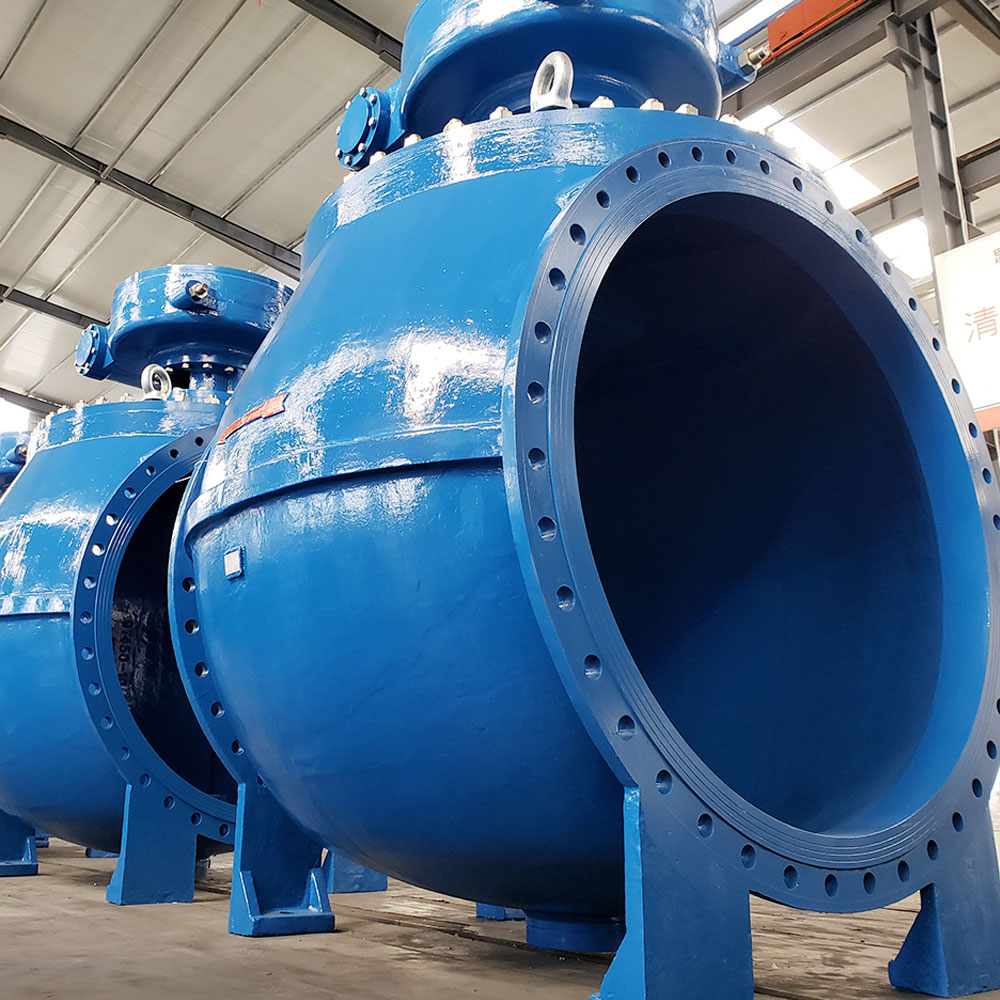
Selecting a high-performance large-diameter ball valve for petrochemical and natural gas industries demands a holistic evaluation of valve design type, material compatibility, pressure/temperature ratings, sealing performance, actuation methods, and industry compliance. Each factor is tightly linked to the unique challenges of hydrocarbon handling, and no single valve design fits all applications.
The fundamental design distinction—trunnion-mounted ball valves vs. floating ball valves—dictates the valve's suitability for high-pressure, large-diameter petrochemical and natural gas applications. These two designs differ drastically in structure, sealing principle, and operational performance:
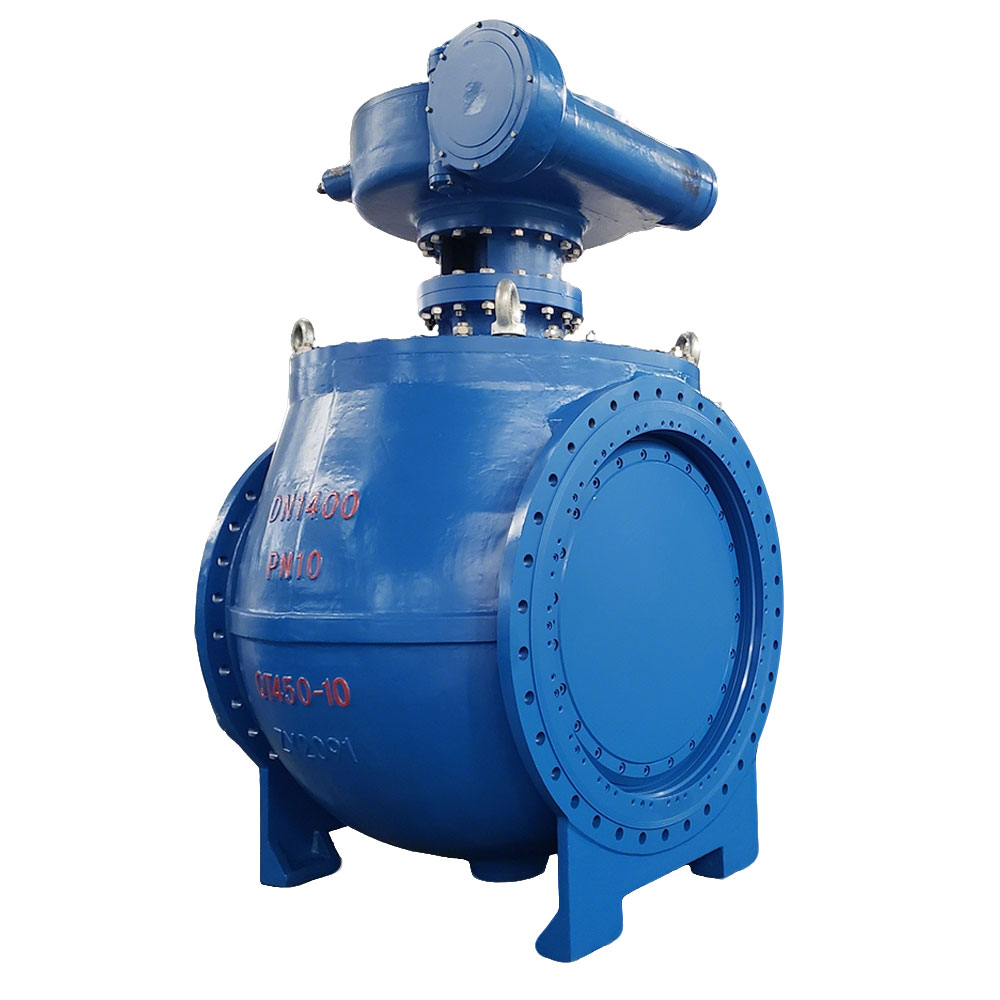
- Trunnion-Mounted Ball Valves: The gold standard for large-diameter (DN200+) and high-pressure petrochemical/natural gas applications. The ball is supported by upper and lower trunnions (fixed shafts), eliminating lateral movement under pressure. Sealing is achieved via spring-loaded floating seats, which maintain a tight seal even at low or zero pressure and enhance sealing performance as medium pressure increases. Key advantages include low operating torque, bidirectional sealing capability, and compatibility with Double Block and Bleed (DBB) or Double Isolation and Bleed (DIB) functions—critical for API 6D compliance and safe pipeline maintenance. Trunnion-mounted ball valves are the preferred choice for natural gas transmission pipelines, crude oil main lines, and high-pressure refinery processes.
- Floating Ball Valves: The ball "floats" within the valve body, with sealing achieved by medium pressure pushing the ball against the downstream seat. While simpler in design and lower in cost, floating ball valves have limitations for large-diameter petrochemical/natural gas use: their operating torque increases exponentially with pressure and diameter, and sealing performance is compromised at low pressure. They are only suitable for low-to-medium pressure (PN16-PN40), small-to-medium large-diameter (DN200-DN300) non-critical lines, such as low-pressure fuel gas distribution systems.
Specialized Designs: For extreme applications, such as sour gas handling or high-temperature refinery processes, orbital ball valves (friction-free operation) and eccentric ball valves (enhanced wear resistance) are ideal upgrades to standard trunnion-mounted designs, offering longer service life and zero-leakage performance.
Material selection is the most critical factor for large-diameter ball valves in petrochemical and natural gas industries, as the valves must resist corrosion from sour gas (H₂S), CO₂, crude oil impurities, and petrochemical solvents, while withstanding high pressure and temperature. Material choices for key components are application-specific:
- Valve Body & Bonnet:
- Carbon steel (WCB/A105) for general non-corrosive applications (e.g., sweet natural gas, refined petroleum products) at temperatures up to 425°C.
- Alloy steel (WC6/WC9) for high-temperature refinery processes (e.g., reformer and cracker lines) with temperatures exceeding 425°C.
- Stainless steel (304/316) and duplex stainless steel (2205/2507) for corrosive media, including sour gas (H₂S) and coastal/marine environments with salt spray corrosion. For high H₂S concentrations (per NACE MR0175/ISO 15156 standards), corrosion-resistant alloy (CRA) cladding or solid CRA bodies (e.g., Inconel, Monel) are mandatory to prevent sulfide stress cracking (SSC).
- Ball & Stem:
- 316 stainless steel or 2205 duplex stainless steel for general applications; solid CRA for sour gas and highly corrosive petrochemical media.
- Stem materials must include anti-static design features (e.g., spring-loaded anti-static pins) to dissipate static electricity generated by fluid flow—critical for flammable hydrocarbon applications to prevent ignition.
- Sealing Materials:
- Soft Seats (PTFE/PPL): For low-to-medium temperature (≤200°C) applications (e.g., natural gas transmission at ambient temperature), offering excellent sealing performance with zero leakage (ANSI Class VI). Not suitable for high-temperature or abrasive media.
- Metal Seats (Stellite 6/CoCrW overlay): The only choice for high-temperature (up to 600°C) and high-pressure petrochemical processes (e.g., refinery furnace lines, steam injection systems). Metal seats provide wear resistance and fire safety compliance, with leakage ratings meeting ANSI Class IV or higher. For extreme zero-leakage requirements, metal-elastomer composite seats combine the advantages of both soft and metal seals.
Petrochemical and natural gas systems feature wide-ranging pressure and temperature conditions, and large-diameter ball valves must be rated to handle the maximum operating pressure (MOP) and maximum operating temperature (MOT) of the pipeline—with no compromise on safety.
- Pressure Ratings: Common ratings for petrochemical and natural gas large-diameter ball valves follow API/ANSI and ISO standards:
- API 6D: Class 150 (PN20), Class 300 (PN50), Class 600 (PN100) – the most widely used for gas transmission and refinery applications.
- ISO PN: PN40, PN63, PN100 – for medium-to-high pressure petrochemical process lines.
- For ultra-high pressure applications (e.g., offshore natural gas pipelines), Class 900 (PN150) or higher ratings are required, with heavy-wall valve bodies and reinforced trunnion structures.
- Temperature Ratings:
- Soft-seated valves: -29°C to 200°C (suitable for ambient temperature gas transmission and low-temperature LNG precooling lines with cryogenic PTFE modifications).
- Metal-seated valves: -46°C to 600°C (ideal for high-temperature refinery processes and steam-assisted oil recovery (SAOR) systems).
- Cryogenic ball valves (special design): -196°C for LNG storage and regasification lines, with extended stems and low-temperature materials (e.g., 304L stainless steel) to prevent valve body frost damage.
Critical Note: Valves must comply with temperature-pressure derating standards (per API 6D and ASME B16.34). The allowable working pressure of the valve decreases as temperature rises—never select a valve based solely on nominal pressure without accounting for operating temperature.
Large-diameter ball valves (DN200+) require efficient actuation methods to ensure quick, reliable operation—especially in emergency shutdown (ESD) and remote control scenarios common in petrochemical and natural gas plants. Actuation choices are determined by valve size, pipeline location, and operational requirements:
- Manual Actuation with Gearbox: Suitable for small-to-medium large-diameter valves (DN200-DN300) in accessible, non-critical lines (e.g., local isolation valves in refinery utility systems). Bevel gear or worm gear drives reduce operating torque, making manual operation feasible for large valves.
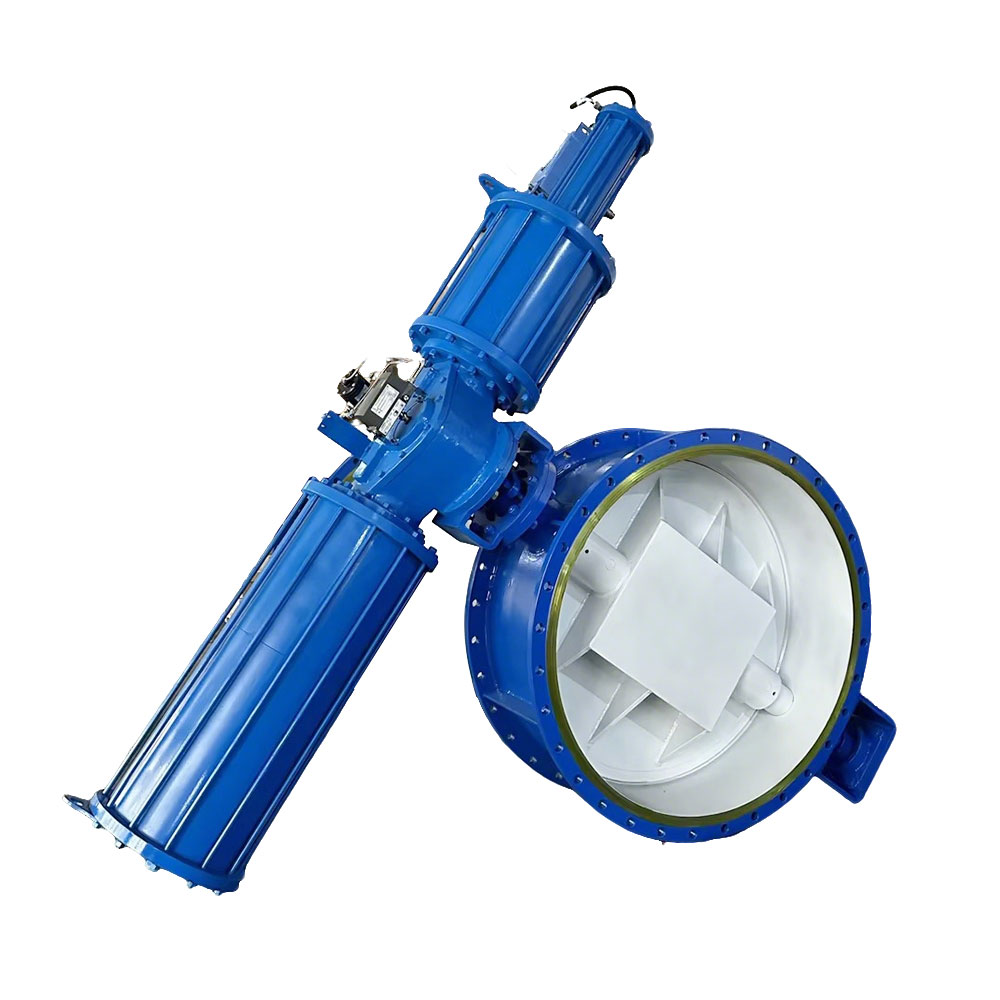
- Pneumatic Actuation: The most common choice for petrochemical and natural gas plants, offering fast on/off operation (0.5-5 seconds) and compatibility with ESD systems. Pneumatic actuators (spring-return for fail-safe operation) are ideal for hazardous areas (ATEX/IECEx Zone 1/2) and require air supply systems with dry, clean compressed air. For large-diameter valves (DN500+), pneumatic rack-and-pinion or scotch yoke actuators provide high torque output.
- Electric Actuation: Suitable for remote locations without compressed air supply (e.g., onshore natural gas transmission pipelines) and applications requiring precise position control (e.g., flow modulation in petrochemical process lines). Electric actuators offer programmable operation, position feedback, and integration with plant DCS/SCADA systems. For large-diameter valves, multi-turn electric actuators with gear reduction provide sufficient torque.
- Hydraulic Actuation: For ultra-large-diameter valves (DN800+) and high-torque applications (e.g., offshore platform main isolation valves), hydraulic actuators deliver the highest torque output and reliable operation in extreme environmental conditions (e.g., high vibration, salt spray).
Key Actuation Features: All actuators for flammable hydrocarbon applications must include explosion-proof certification (ATEX II 2G Ex d IIC T6, IECEx) and fail-safe functionality (fail-close/fail-open) to ensure safe shutdown in the event of power/air loss.
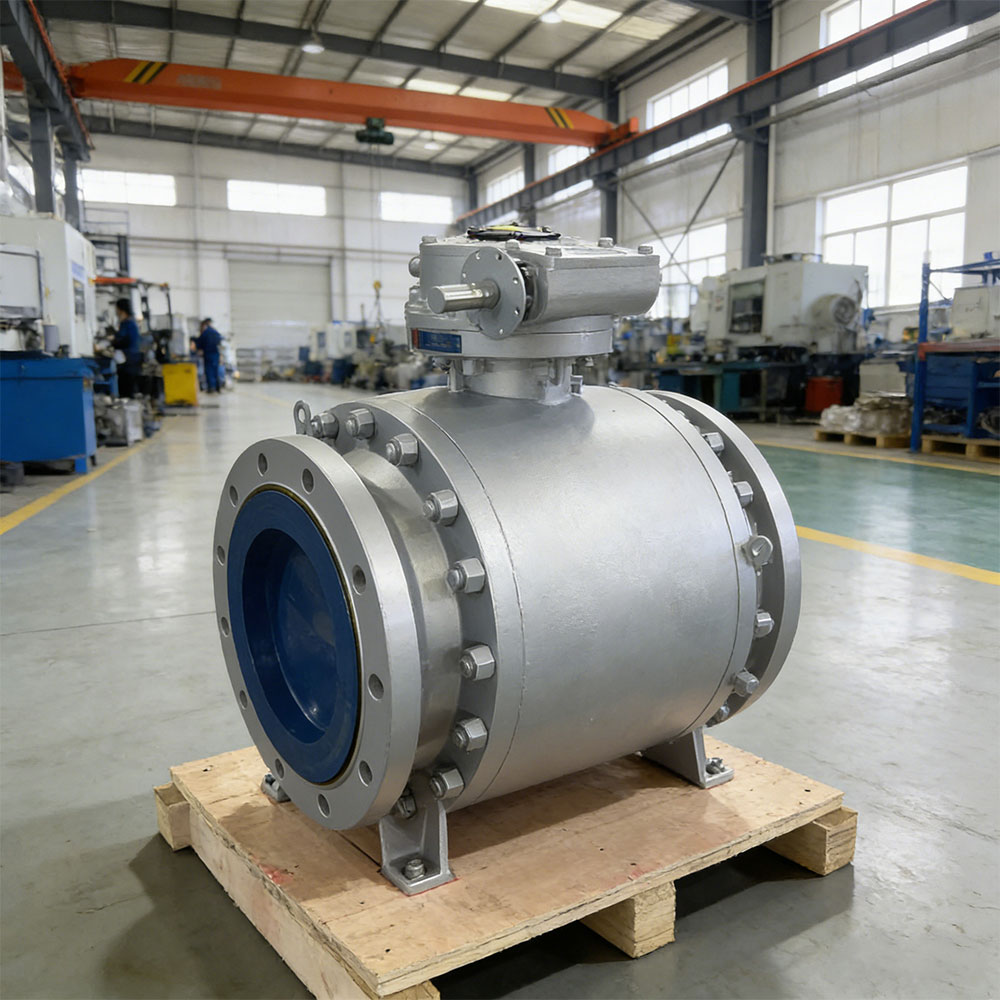
Compliance with global petrochemical and natural gas industry standards is non-negotiable for large-diameter ball valves, as it ensures design quality, performance reliability, and regulatory approval. The most critical standards and certifications include:
- API 6D: The definitive standard for pipeline valves, covering design, manufacturing, testing, and marking requirements for ball valves used in oil and gas transmission pipelines. Mandatory for all large-diameter ball valves in natural gas and crude oil main lines.
- API 607/6FA: Fire safety certification, required for all valves in flammable hydrocarbon applications. Valves must withstand 30 minutes of fire exposure (750-800°C) and maintain sealing performance after fire—critical for preventing post-fire leaks and explosions.
- NACE MR0175/ISO 15156: Standards for materials resistant to sulfide stress cracking (SSC) in sour gas (H₂S) environments. Mandatory for all valve components in sour gas handling systems.
- ATEX/IECEx: Explosion-proof certification for valves and actuators used in hazardous areas (flammable gas/vapor atmospheres).
- ASME B16.34: Standard for valve design and pressure-temperature ratings, ensuring compatibility with ASME pipeline systems in refineries and petrochemical plants.
- ISO 9001/ISO 14001/ISO 45001: Quality, environmental, and occupational health and safety management system certifications for valve manufacturers, ensuring consistent production and quality control.
Additional Testing: All large-diameter ball valves must undergo factory acceptance testing (FAT) per API 6D, including hydrostatic pressure testing, gas tightness testing, torque testing, and actuation function testing. For critical applications, third-party certification (e.g., Lloyd’s Register, DNV) is recommended.
Even with rigorous planning, common mistakes can compromise the performance and reliability of large-diameter ball valves in petrochemical and natural gas applications. Avoid these critical pitfalls:
- Choosing Floating Ball Valves for High-Pressure Large-Diameter Lines: Floating ball valves lack the structural support to handle high pressure (Class 300+) and large diameters (DN400+), leading to excessive operating torque, seal wear, and premature failure. Always select trunnion-mounted designs for these applications.
- Ignoring Sour Gas Corrosion Requirements: Using standard carbon steel or stainless steel in sour gas (H₂S) environments without NACE MR0175 compliance leads to sulfide stress cracking and catastrophic valve failure. Always verify H₂S concentration and specify CRA materials or cladding as needed.
- Overspecifying or Underspecifying Sealing Materials: Soft seats (PTFE) in high-temperature applications (>200°C) cause seal melting and leakage, while metal seats in low-pressure zero-leakage applications result in poor sealing performance. Match seal materials to temperature and leakage requirements.
- Neglecting Fire Safety and Anti-Static Design: Valves without API 607/6FA fire certification or anti-static features pose severe safety hazards in flammable hydrocarbon applications, increasing the risk of ignition and explosion.
- Ignoring Actuator Torque Requirements: Undersized actuators cannot provide sufficient torque to operate large-diameter ball valves, leading to valve jamming and failure—especially in high-pressure conditions. Always calculate the maximum required torque (including pressure surge and friction) and select an actuator with a 25-50% torque margin.
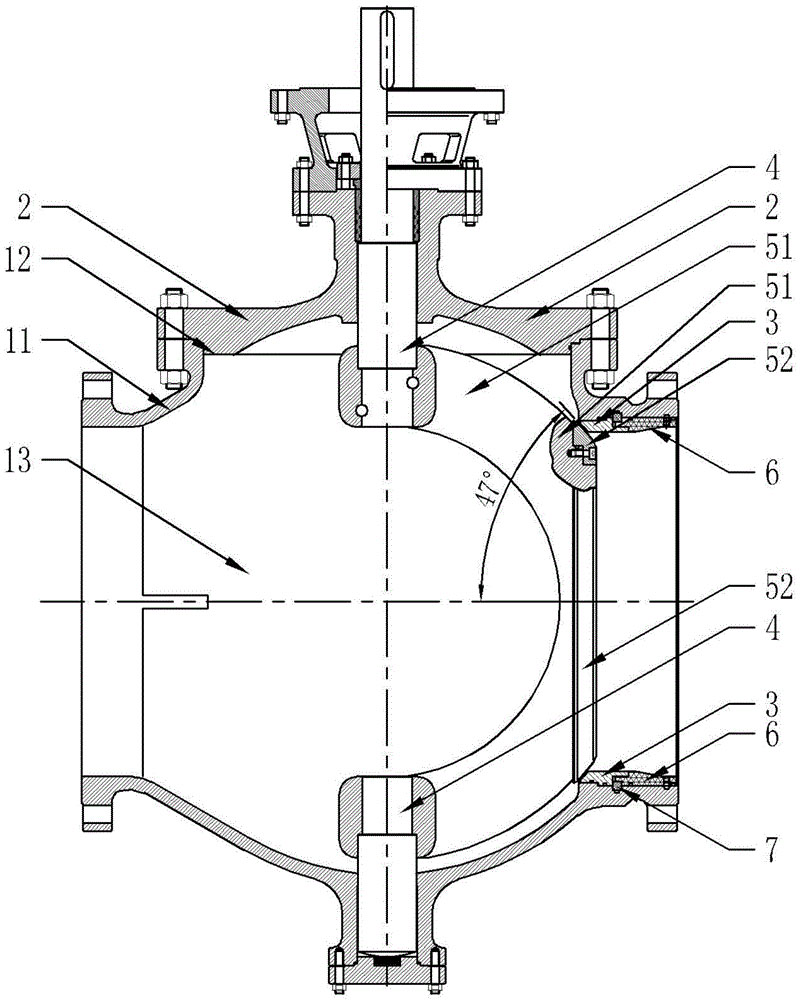
Selecting the right large-diameter ball valve is only the first step—proper installation, maintenance, and operation are critical to maximizing service life and ensuring reliable performance in petrochemical and natural gas systems:
- Proper Installation: Ensure the valve is installed with correct pipeline alignment (no misalignment stress) and orientation (trunnion-mounted valves can be installed in any position; floating ball valves are recommended for horizontal installation). For underground gas transmission lines, use buried valve designs with corrosion protection (e.g., fusion-bonded epoxy coating).
- Regular Maintenance: Conduct periodic inspections (6-12 months) to check for seal wear, corrosion, and actuator performance. Lubricate valve stems and trunnion bearings with high-temperature, anti-corrosive lubricants; replace worn seals and gaskets before they fail. For sour gas applications, conduct regular non-destructive testing (NDT) to detect SSC and corrosion.
- Actuator Maintenance: Inspect pneumatic/electric/hydraulic actuators for leaks, wear, and electrical faults; calibrate position feedback and fail-safe functionality quarterly. For outdoor applications, install weatherproof enclosures to protect actuators from environmental damage (e.g., rain, salt spray).
- Operator Training: Ensure plant operators are trained to operate and maintain large-diameter ball valves correctly—avoid forced operation (which causes seal and trunnion damage) and follow proper shutdown/startup procedures for ESD systems.
- Spare Parts Inventory: Maintain a stock of critical spare parts (e.g., seals, gaskets, actuator components) for large-diameter ball valves to minimize unplanned downtime in the event of failure.
Selecting the optimal large-diameter ball valve for petrochemical and natural gas industries is not a one-size-fits-all process—it requires a deep understanding of medium characteristics, operational conditions, and industry standards. The right valve design (trunnion-mounted for high-pressure/large-diameter), material compatibility (CRA for sour gas, metal seats for high temperature), certified actuation, and strict compliance with API/NACE/ATEX standards are the foundation of safe, reliable, and efficient operation.
For engineering and procurement professionals, partnering with a reputable valve manufacturer with specialized expertise in petrochemical and natural gas applications is critical. A qualified manufacturer will provide custom valve design, material selection guidance, and third-party certification, ensuring the valve meets the unique requirements of your pipeline system. Remember, a high-quality large-diameter ball valve is not just an equipment purchase—it is an investment in the safety, efficiency, and long-term sustainability of your petrochemical or natural gas operation.
Tags: large-diameter ball valve for petrochemical industry natural gas large diameter trunnion ball valve API 6D large diameter ball valve sour gas resistant ball valve for oil and gas high pressure large diameter ball valve metal seated ball valve for refinery ATEX certified ball valve for petrochemical DBB trunnion ball valve for gas pipeline large diameter ball valve material selection pneumatic actuation large diameter ball valve for oil gas
Various Models for Your Choice

Have be any question? Feel free to Contact.



WEIZIDOM Group is specializes in the manufacturing, sale and after-sale service of valves, pipe fittings, water meters, flow meters and other pipeline accessories.
Copyright © 2026.WEIZIDOM All rights reserved.