Language


More Language
Language This article explores the definition, key characteristics of large-diameter butterfly valves, and their pivotal roles in desalination processes, offering professional insights for industry practitioners, engineers, and decision-makers.
In the global pursuit of sustainable freshwater resources, desalination plants have emerged as critical infrastructure, converting seawater into potable water to alleviate water scarcity. Among the numerous components that ensure the stable, efficient, and safe operation of these facilities, large-diameter butterfly valves stand out as indispensable fluid control devices. This article explores the definition, key characteristics of large-diameter butterfly valves, and their pivotal roles in desalination processes, offering professional insights for industry practitioners, engineers, and decision-makers.
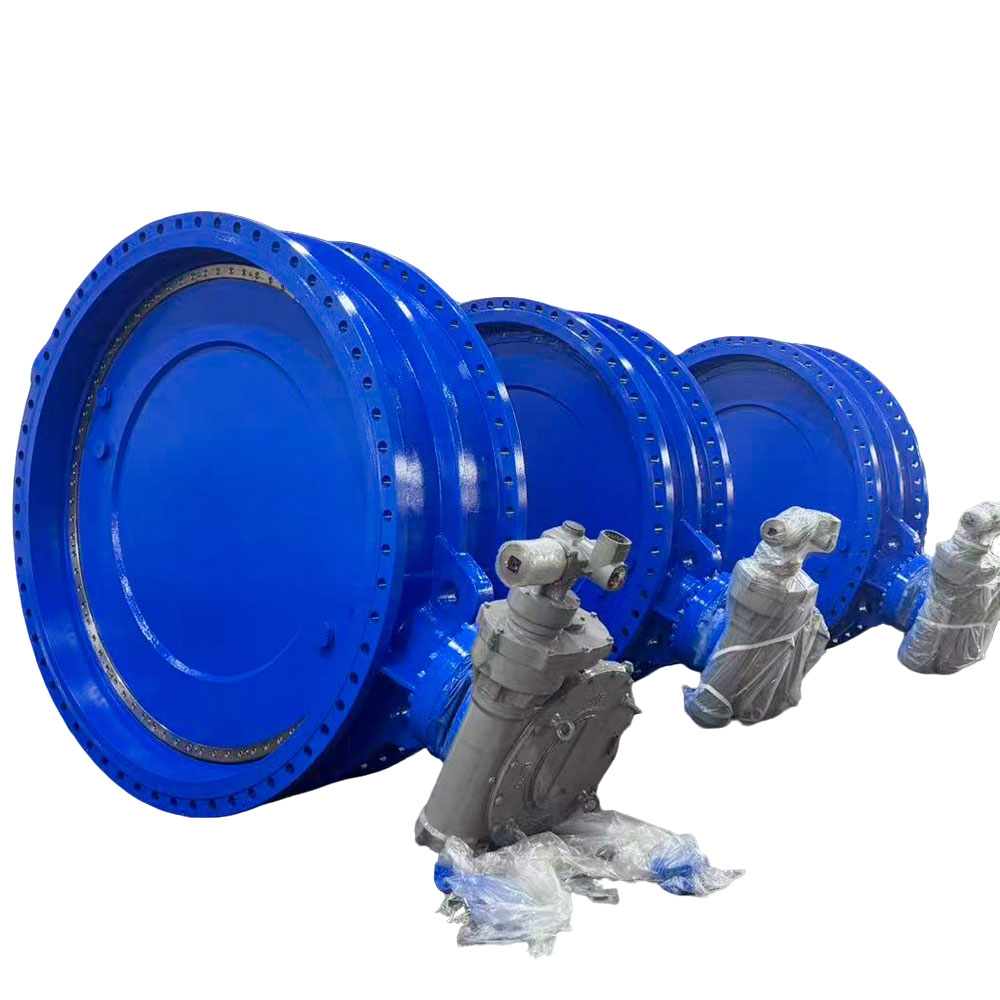
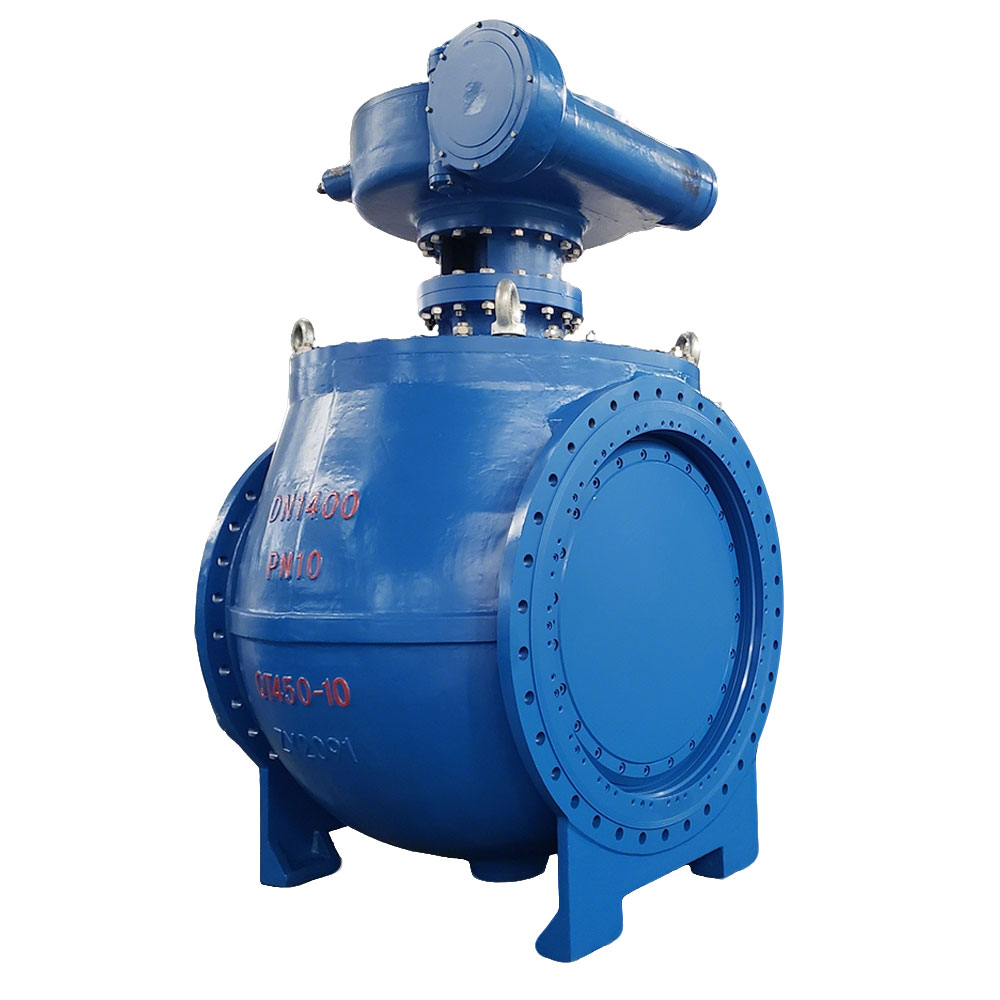
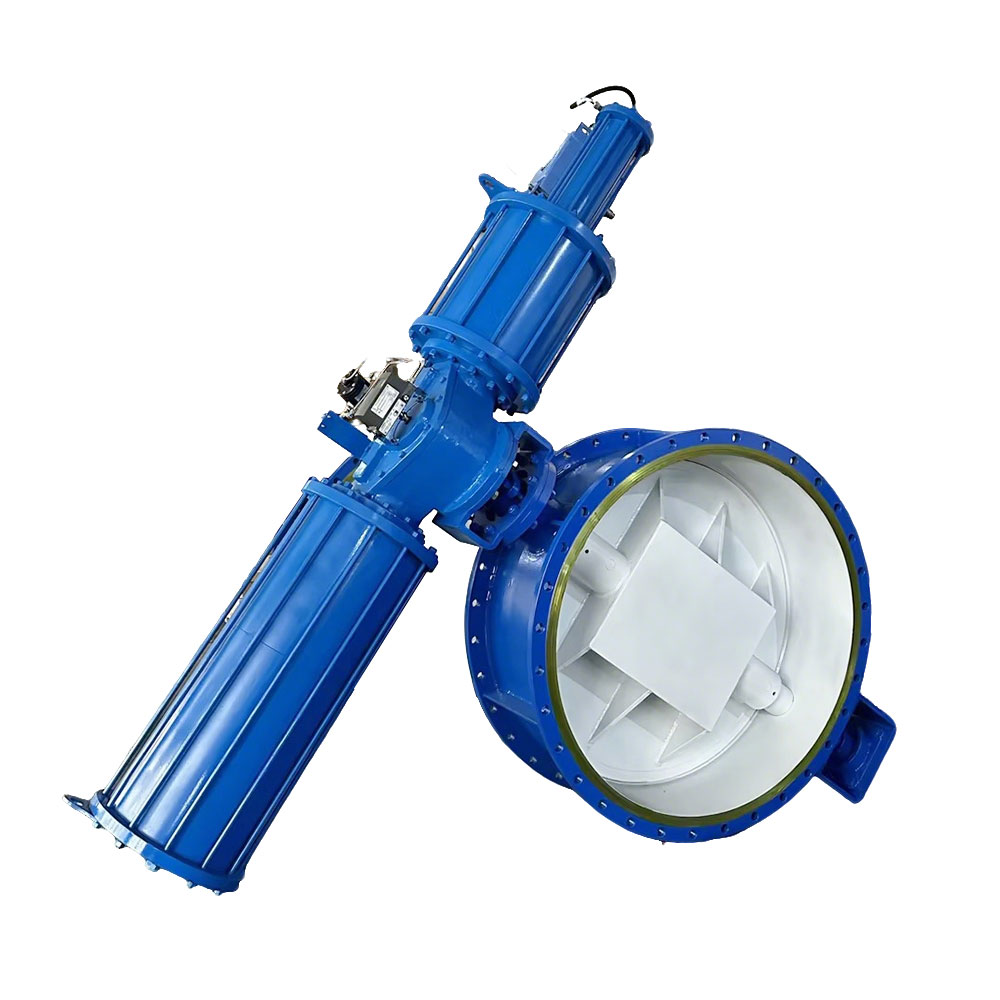
A large-diameter butterfly valve is a quarter-turn rotational valve designed to regulate the flow of fluids (liquids or gases) in large-scale piping systems. Typically defined by a nominal diameter (DN) of 300mm (12 inches) or larger, its common sizes range from DN300 to DN3000, with ultra-large industrial applications reaching up to DN4000. Unlike traditional gate valves or ball valves, the large-diameter butterfly valve boasts a simple yet robust structure, comprising four core components: a valve body, a disc (the "butterfly"), a valve stem, and an actuator (manual, pneumatic, electric, or hydraulic).
The working principle of a large-diameter butterfly valve is straightforward and efficient: the actuator drives the valve stem to rotate the disc 90 degrees around the stem’s central axis. When the disc aligns parallel to the fluid flow direction, the valve is fully open, enabling unobstructed fluid passage with minimal flow resistance; when the disc is perpendicular to the flow direction, the valve is fully closed, blocking fluid circulation through a tight seal between the disc and the valve seat. For flow regulation, the disc can be positioned at any angle between 0 and 90 degrees, adjusting the flow cross-sectional area to precisely control the fluid’s flow rate and pressure— a key advantage that makes this butterfly valve ideal for industrial applications such as desalination.
Key characteristics that make large-diameter butterfly valves suitable for demanding industrial environments—especially desalination plants—include a compact structure (occupying less installation space than gate valves of the same diameter), lightweight design (reducing installation and transportation costs), quick opening and closing (saving operational time), cost-effectiveness (lower manufacturing and maintenance costs than ball valves), and strong adaptability to high-flow, low-pressure conditions. Additionally, advanced large-diameter butterfly valves feature corrosion-resistant materials (such as 316L stainless steel, alloy C276, or ductile iron with PTFE/epoxy coatings) and dual-eccentric or triple-eccentric designs, which enhance sealing performance and extend service life in harsh desalination environments.
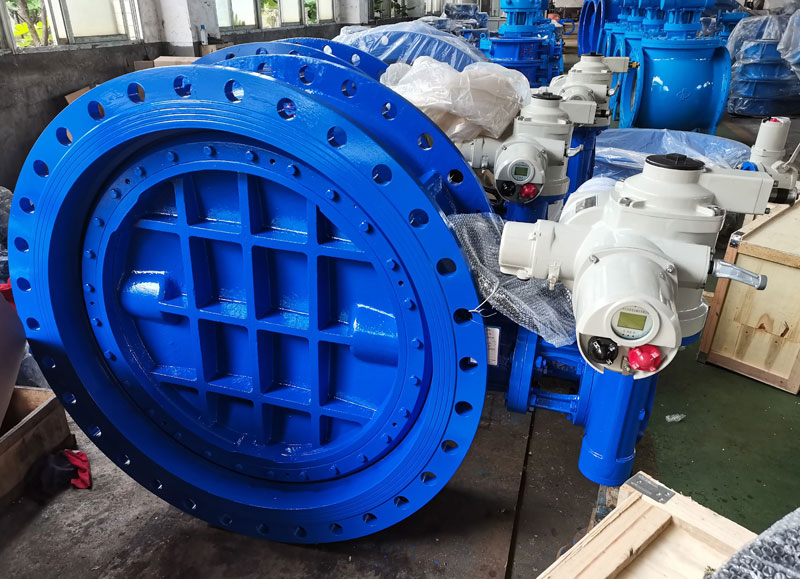
Desalination plants—whether utilizing reverse osmosis (RO), multi-effect distillation (MED), or other technologies—rely heavily on large-diameter butterfly valves to manage the flow of seawater, brine, freshwater, and auxiliary fluids throughout the entire desalination process. Their roles are multifaceted, directly influencing the desalination plant’s efficiency, safety, and operational stability. Below are the core functions of large-diameter butterfly valves in desalination plants:
The first critical step in desalination is the intake of raw seawater from oceans or seas. Large-diameter butterfly valves (typically DN400 to DN1200) are installed at the intake pipeline to control the volume of seawater entering the desalination plant, ensuring a stable supply that matches the facility’s processing capacity. In regions with high seawater chloride content (e.g., the Middle East, where chloride levels can reach 20000mg/L), these large-diameter butterfly valves are equipped with corrosion-resistant materials (such as titanium alloy sealing surfaces and PTFE coatings) to withstand severe corrosion, extending their service life from the industry average of 3-6 months to 5 years or more.
In the pretreatment stage (including screening, coagulation, and filtration), large-diameter butterfly valves regulate the flow of seawater into sedimentation tanks, filter tanks, and disinfection units. Their precise flow control ensures the effectiveness of pretreatment processes (e.g., removing suspended solids, algae, and organic impurities), preventing clogging or damage to downstream desalination equipment such as RO membranes. For instance, in Dubai’s desalination plants, large-diameter butterfly valves with anti-cavitation designs adapt to high-pressure conditions (1.6MPa) and boost seawater conveyance efficiency by 25%.
Reverse osmosis is the most widely adopted desalination technology, and large-diameter butterfly valves play a key role in maintaining the stability of RO systems within desalination plants. After pretreatment, seawater is pumped into high-pressure RO modules, where freshwater is separated from brine. Large-diameter butterfly valves are installed at the inlet and outlet of RO pressure vessels to regulate the feedwater’s flow rate and pressure, ensuring RO membranes operate within their optimal pressure range (typically 5-8MPa for seawater RO). This prevents membrane damage caused by excessive pressure or uneven flow distribution while maximizing the desalination plant’s water production efficiency.
Additionally, large-diameter butterfly valves control the flow of recirculated brine, allowing operators to adjust brine concentration and optimize the RO desalination process. Their low torque requirement and easy automation (via electric or pneumatic actuators) enable real-time flow adjustments, supporting the desalination plant’s automated control systems and reducing manual operational costs.
A byproduct of desalination is brine—concentrated seawater with a salt content typically 2-3 times that of raw seawater. Safe and efficient brine discharge is critical to minimizing environmental impact and complying with desalination plant regulatory standards. Large-diameter butterfly valves (DN600 to DN1600) control the flow of brine from RO modules or distillation units to discharge pipelines, ensuring a steady, controlled release into the ocean or designated disposal areas.
These large-diameter butterfly valves are engineered to handle brine’s high salinity and potential abrasiveness, featuring wear-resistant materials and tight sealing to prevent leakage. In tropical desalination plants (e.g., Bangkok), butterfly valves with PTFE anti-fouling coatings reduce the risk of clogging caused by brine crystallization, lowering the valve jamming rate from 40% to less than 0.5% and extending maintenance intervals from 1 month to 8 months.
Once seawater is converted into freshwater, it is stored in reservoirs before being distributed to municipal water supplies, industrial users, or agricultural irrigation systems. Large-diameter butterfly valves are installed at the outlet of freshwater storage tanks and in desalination plant distribution pipelines to control the flow of treated water, ensuring a stable supply to end-users. Their reliable sealing performance prevents freshwater leakage, while their quick opening and closing capability allows for rapid responses to demand changes (e.g., peak water usage periods).
In large-scale desalination plants (e.g., Johannesburg’s water plant, which serves 1.5 million residents), large-diameter butterfly valves with intelligent flow control (position accuracy ±0.5°) ensure stable water pressure, reducing the risk of pipeline bursts and improving water distribution efficiency. These large-diameter butterfly valves also support integration with digital monitoring systems, allowing operators to track flow rates and valve status in real-time, further enhancing the desalination plant’s operational reliability.
Desalination plants operate in harsh, dynamic environments where equipment failures, power outages, or sudden water quality changes can occur. Large-diameter butterfly valves serve as critical safety components in desalination plants, providing emergency shutdown capabilities to protect the facility’s equipment and personnel. In the event of a system malfunction (e.g., RO membrane damage, pump failure, or excessive pressure), large-diameter butterfly valves can be quickly closed to isolate the affected pipeline section, preventing further damage and minimizing downtime.
Many large-diameter butterfly valves used in desalination plants are equipped with explosion-proof actuators (compliant with regional safety standards) and fault self-diagnosis systems, which can predict potential failures 72 hours in advance—improving maintenance efficiency by 80% and ensuring continuous desalination plant operation. For example, in Singapore’s desalination plants, butterfly valves with double-seal designs achieve a leakage rate of ≤0.003%, far exceeding the ISO 10434 international standard, and support Modbus communication for seamless integration with the plant’s safety monitoring system.
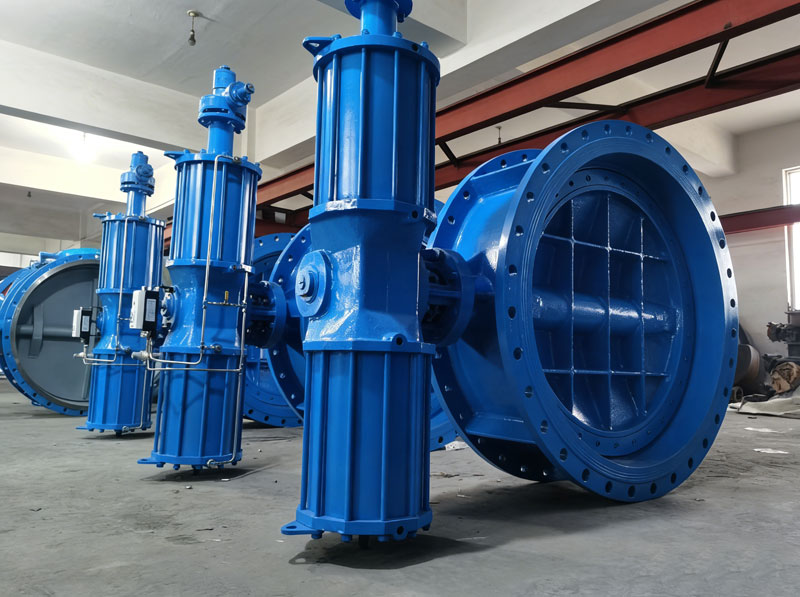
Given the harsh operating environment of desalination plants—high salinity, humidity, and continuous operation—regular maintenance and proper care of large-diameter butterfly valves are crucial to extending their service life, ensuring operational reliability, and reducing downtime. Below are the core maintenance and maintenance methods tailored to large-diameter butterfly valves in desalination applications, aligned with industry best practices and equipment requirements.
Conduct weekly visual inspections of large-diameter butterfly valves to check for external damage, corrosion, or leakage. Focus on the valve body, valve stem, actuator, and connecting flanges—key areas prone to wear in high-salinity environments. For external corrosion spots, use a soft brush to remove surface rust or salt deposits, then apply a corrosion-resistant coating (consistent with the valve’s original material, such as epoxy or PTFE) to prevent further deterioration. Additionally, clean the valve disc and seat quarterly to remove accumulated scale, algae, or brine crystallization, which can affect sealing performance and cause valve jamming. Use a non-abrasive cleaner and soft cloth to avoid scratching the sealing surface.
The valve stem, actuator, and bearing components of large-diameter butterfly valves require regular lubrication to reduce friction and prevent seizing. Depending on the operating frequency (typically monthly for continuous operation in desalination plants), apply a high-temperature, corrosion-resistant lubricant (such as molybdenum disulfide or silicone-based lubricants) to the valve stem packing and actuator linkages. Avoid using lubricants that are incompatible with the valve’s sealing materials (e.g., avoid oil-based lubricants for PTFE seats, as they can degrade the material). Ensure lubrication is applied evenly, and wipe off excess lubricant to prevent dust or salt accumulation.
The sealing performance of large-diameter butterfly valves directly affects the efficiency and safety of desalination plants. Conduct monthly leakage tests: close the valve fully, apply a small amount of pressure (50% of the valve’s rated pressure), and check for leakage at the valve seat, flange connections, and stem packing. If leakage is detected, adjust the stem packing or replace the sealing gasket promptly. For PTFE or rubber seats, inspect for wear, cracking, or deformation every 6 months; replace worn seats with compatible, high-quality replacements to ensure tight sealing. For metal-seated valves, check the seal face for scratches or indentations and polish minor damage with a fine abrasive cloth.
Actuators (pneumatic, electric, or hydraulic) are critical for the smooth operation of large-diameter butterfly valves. For pneumatic actuators, check air pressure regularly (ensure it matches the valve’s rated pressure) and inspect air lines for leaks or blockages. Drain moisture from the air filter regulator weekly to prevent water damage to internal components. For electric actuators, test the motor, limit switches, and control panel monthly to ensure accurate positioning (e.g., full open/close positions) and reliable operation. Calibrate the actuator’s positioner every 3 months to maintain precise flow control, especially for valves used in RO systems or freshwater distribution.
Conduct a comprehensive disassembly and overhaul of large-diameter butterfly valves annually (or every 18 months for heavy-duty applications) to inspect internal components. Disassemble the valve body, remove the disc and valve stem, and check for wear, corrosion, or deformation of the disc, seat, and stem. Replace worn or damaged components (e.g., valve stem seals, bearings) with original equipment manufacturer (OEM) parts to ensure compatibility. After overhaul, reassemble the valve carefully, ensuring proper alignment of the disc and seat, and conduct a pressure test to verify sealing and operational performance before putting it back into service.
In desalination plants, corrosion is the primary cause of valve failure. In addition to regular cleaning and coating, take additional corrosion prevention measures: use corrosion-resistant materials for valve components (as mentioned in Section 2), install sacrificial anodes near the valve if necessary (for metal valve bodies), and avoid direct contact between the valve and corrosive chemicals (e.g., disinfectants used in pretreatment). For outdoor valves, install a protective cover to shield them from extreme weather (e.g., high temperature, heavy rain) and reduce UV damage to plastic or rubber components.
Maintain a detailed maintenance log for each large-diameter butterfly valve, recording inspection dates, maintenance activities, component replacements, and test results. This log helps track the valve’s performance over time, identify potential issues early, and optimize maintenance schedules. Establish a scheduled maintenance plan based on the valve’s operating conditions (e.g., higher frequency for valves in brine discharge lines) and follow the OEM’s maintenance guidelines to ensure compliance and maximize valve service life.
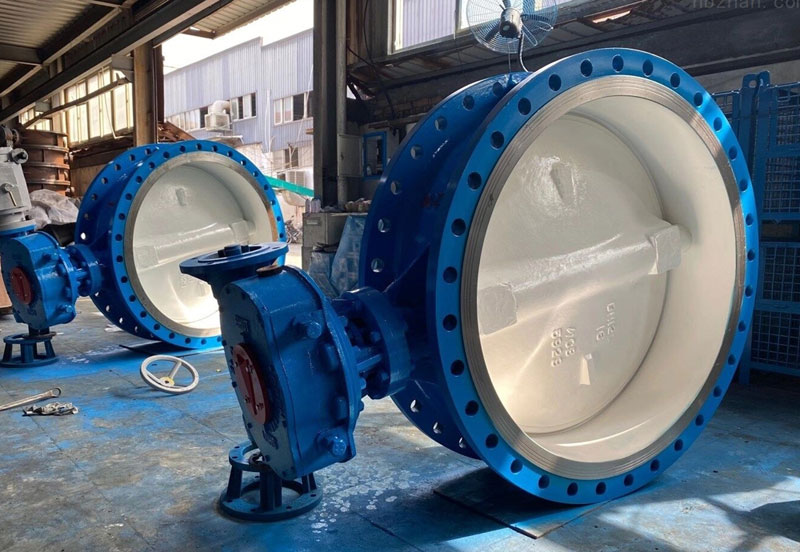
Large-diameter butterfly valves are essential components in desalination plants, serving as the "control backbone" of fluid management throughout the entire desalination process—from seawater intake and pretreatment to RO filtration, brine discharge, and freshwater distribution. Their compact design, cost-effectiveness, corrosion resistance, and precise flow control capabilities make large-diameter butterfly valves ideal for the harsh, high-flow, and high-salinity environments of desalination facilities. Proper maintenance and care, as outlined above, are critical to ensuring these valves operate reliably, extend their service life, and support the efficient, sustainable operation of desalination plants.
As global water scarcity continues to worsen, the demand for efficient, reliable desalination technology will only grow. With ongoing advancements in materials (e.g., corrosion-resistant alloys, anti-fouling coatings) and automation (e.g., digital monitoring, remote control), large-diameter butterfly valves will play an increasingly vital role in optimizing desalination plant performance, reducing operational costs, and ensuring the sustainable production of freshwater for generations to come.
Tags: Large-diameter butterfly valve Butterfly valve for desalination plants
Various Models for Your Choice

Have be any question? Feel free to Contact.



WEIZIDOM Group is specializes in the manufacturing, sale and after-sale service of valves, pipe fittings, water meters, flow meters and other pipeline accessories.
Copyright © 2026.WEIZIDOM All rights reserved.