Language


More Language
Language Large diameter gate valves are widely used in oil and gas, water treatment, petrochemical, power generation, and municipal infrastructure industries. Their roles vary slightly according to different application scenarios, but the core functions are consistent.
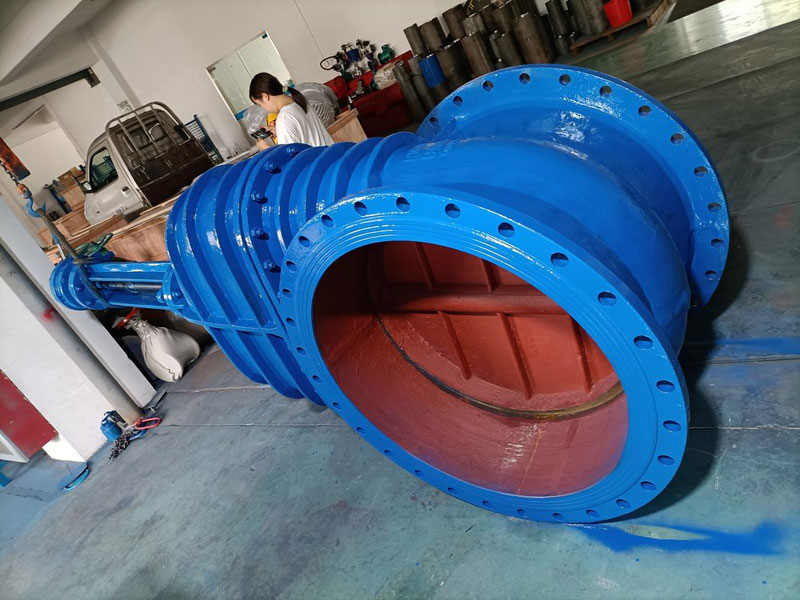
A large diameter gate valve, defined as a linear motion shut-off valve with a nominal diameter (DN) of DN300 (12 inches) and above (up to DN1500/60 inches), is a fundamental component in large-scale industrial fluid control systems. Characterized by its linear gate movement (rising or non-rising stem) to open or close the flow path, it is specifically designed to handle high flow rates, extreme pressures, and harsh operating conditions. Unlike ball valves with quarter-turn operation, large diameter gate valves excel in full-open/full-close isolation, making them irreplaceable in scenarios requiring long-term stable sealing and large-flow control. This article focuses on the typical application scenarios of large diameter gate valves and their core roles in each field.
Large diameter gate valves are widely used in oil and gas, water treatment, petrochemical, power generation, and municipal infrastructure industries. Their roles vary slightly according to different application scenarios, but the core functions are consistent: reliable isolation, large-flow control, and long-term stable operation under harsh conditions. Below is a detailed analysis of their main application scenarios and corresponding roles, combined with industry standards (API 600, API 598, ISO 10434) and practical engineering requirements.
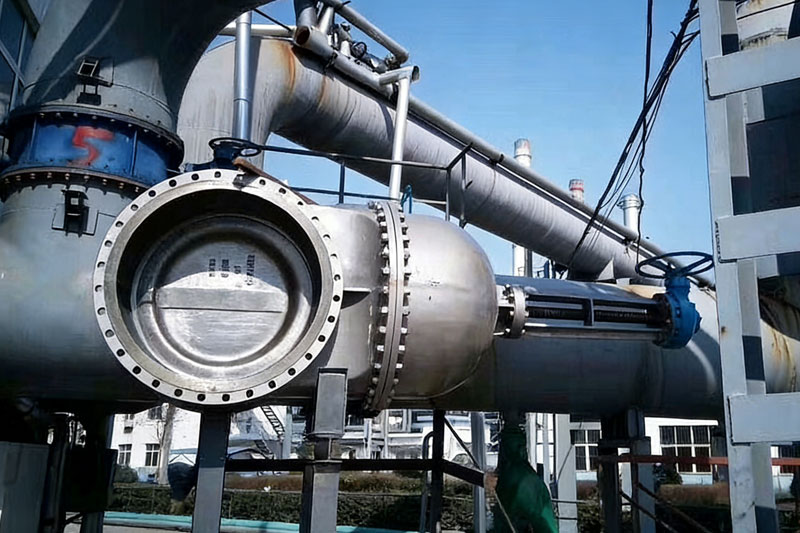
1. Oil and Gas Industry (Core Application Scenario)
The oil and gas industry is the largest application field for large diameter gate valves, accounting for approximately 48% of the global market demand. These valves are deployed in upstream exploration, midstream transportation, and downstream refining, adapting to extreme operating conditions such as high pressure (up to Class 2500 LB/PN100), high temperature (up to 593°C), and corrosive media (crude oil, natural gas, hydrogen sulfide). API 600 is the core standard for large diameter steel gate valves in this industry, specifying strict requirements for material, structure, and performance.
Application Scope: Long-distance crude oil and natural gas pipelines (DN500-DN1500), including trunk lines of cross-regional projects (e.g., West-East Gas Transmission Project), offshore pipelines, and pipeline stations. Large diameter gate valves here are mainly API 600 certified, with cast steel (A216 WCB, A217 WC6) or forged steel bodies to ensure high strength and corrosion resistance.
Core Roles:
• Pipeline Isolation: As the key isolation valve in pipeline stations, it realizes full shut-off of the pipeline during maintenance, inspection, or emergency shutdown, preventing media leakage and ensuring the safety of maintenance personnel and equipment. The elastic gate structure specified in API 600 can compensate for thermal deformation, ensuring tight sealing even under temperature fluctuations.
• Flow Regulation (Full-Open/Full-Close): Mainly used for on/off control rather than throttling, ensuring unobstructed flow when fully open (minimizing pressure drop) and reliable shut-off when fully closed. For natural gas pipelines above Class 600, large diameter gate valves are mandatory to maintain pipeline integrity and stable media transmission.
• Emergency Shutdown: Equipped with electric or hydraulic actuators (with emergency manual backup), it can quickly shut off the pipeline in case of leaks, pipeline bursts, or other emergencies, reducing economic losses and environmental pollution. The non-rising stem design is often adopted for space-saving and easy observation of valve status.
Application Scope: Refineries, petrochemical plants, and oil depots (DN300-DN1000), used in crude oil distillation, cracking, blending, and product storage systems. The valve body is usually made of alloy steel (WC9) or duplex steel to withstand high-temperature steam and corrosive media such as sulfuric acid and hydrogen sulfide.
Core Roles:
• Equipment Isolation: Isolates key equipment (reactors, distillation towers, storage tanks) from the pipeline system during maintenance, preventing corrosive or flammable media from entering the maintenance area. The sealing surface is welded with Stellite 6 alloy (thickness ≥1.6mm, hardness HRC ≥50) to ensure bubble-tight sealing under high pressure and high temperature.
• Media Diversion and Shunt: In multi-line refining systems, it controls the flow direction of crude oil, gasoline, diesel, and other products, realizing the switching of different production lines and ensuring the continuity of the refining process. Flange connections (complying with ASME B16.5) facilitate installation and maintenance.
• Pressure Stabilization: When fully open, the straight-through flow channel minimizes pressure loss, ensuring stable system pressure and reducing energy consumption in the transmission process. This is particularly important for large-flow media transmission in refineries.
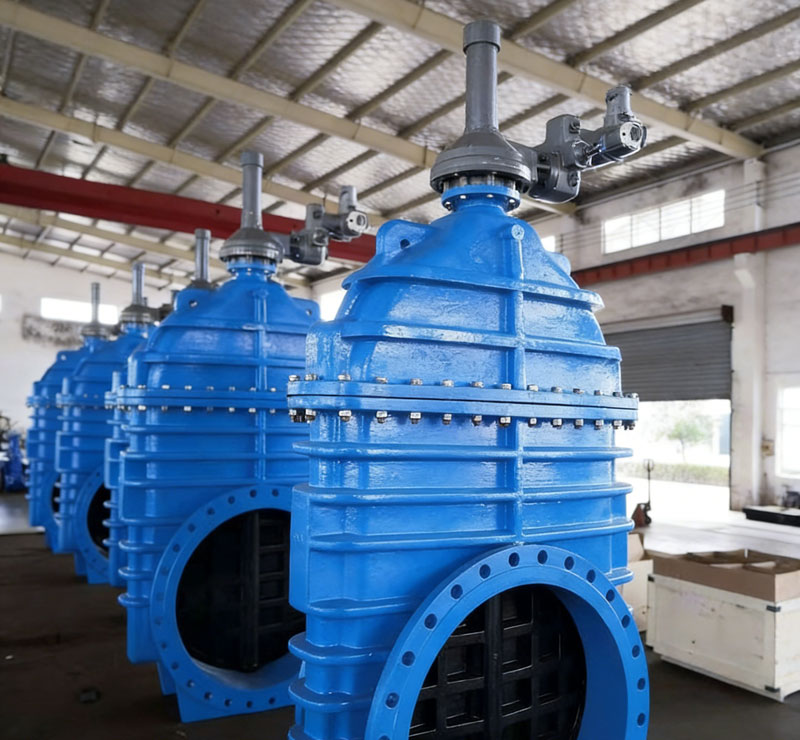
The water and wastewater treatment industry is the second-largest application field for large diameter gate valves, accounting for 32% of global demand. These valves are used in municipal water supply, sewage treatment, and seawater desalination projects, adapting to large flow rates and corrosive media (seawater, sewage, chemical disinfectants). They are usually made of stainless steel (304, 316L) or cast iron to prevent rust and ensure water quality.
Application Scope: Municipal water treatment plants, booster stations, and main water supply/drainage pipelines (DN300-DN1200), responsible for the transmission of raw water, treated water, and rainwater. Large diameter gate valves here adopt flanged connections for easy installation and maintenance, complying with municipal engineering standards.
Core Roles:
• Water Flow Control: Controls the flow of water entering and exiting the water treatment plant, ensuring that the water supply meets the daily demand of urban residents and industrial production. The large-bore design ensures sufficient water flow, avoiding water shortage caused by insufficient flow capacity.
• Pipeline Section Isolation: Isolates damaged pipeline sections during maintenance (e.g., pipeline leakage, pipe replacement), ensuring that other sections can operate normally and minimizing the impact on urban water supply. The reliable sealing performance prevents water leakage and waste, reducing water loss in the transmission process.
• Backflow Prevention: Cooperates with check valves to prevent backflow of water, ensuring the safety and quality of the water supply system. The bidirectional sealing design eliminates the need to consider installation direction, reducing installation errors.
Application Scope: Sewage treatment tanks, aeration systems, and sludge discharge pipelines (DN300-DN800), handling sewage, sludge, and chemical agents (coagulants, disinfectants). The valve seat is made of corrosion-resistant materials (PTFE, rubber) to adapt to the corrosive environment of sewage.
Core Roles:
• Sludge and Sewage Discharge Control: Controls the discharge of treated sludge and qualified sewage, ensuring the normal operation of the sewage treatment process. The straight-through flow channel is not easy to block, adapting to media containing solid particles (sludge, suspended solids).
• Chemical Agent Injection Control: Controls the injection flow of chemical agents (such as disinfectants, flocculants) to ensure the treatment effect of sewage and meet national discharge standards. The stable flow control ensures the uniform mixing of chemical agents and sewage.
• Equipment Maintenance Isolation: Isolates sewage treatment equipment (sedimentation tanks, aeration tanks) during maintenance, preventing sewage leakage and environmental pollution. The sturdy structure and corrosion-resistant materials ensure long-term stable operation in harsh sewage environments.
Application Scope: Seawater intake, desalination treatment, and fresh water output pipelines (DN400-DN1200), withstanding high salinity and corrosive seawater. Large diameter gate valves here are made of duplex steel (F51, F53) or super austenitic stainless steel to resist seawater corrosion.
Core Roles:
• Seawater Intake Control: Controls the intake flow of seawater, ensuring the stable operation of the desalination system (reverse osmosis, distillation). The large-bore design meets the large-flow demand of seawater desalination plants, minimizing pressure drop and energy consumption.
• Corrosive Media Isolation: Prevents corrosive seawater from corroding the internal components of the desalination system, ensuring the service life of the equipment. The corrosion-resistant material and strict sealing design meet the special requirements of seawater desalination industry standards.
• Fresh Water Output Regulation: Controls the output flow of desalinated fresh water, ensuring that the output meets the user's demand and maintaining the stability of the fresh water supply system.
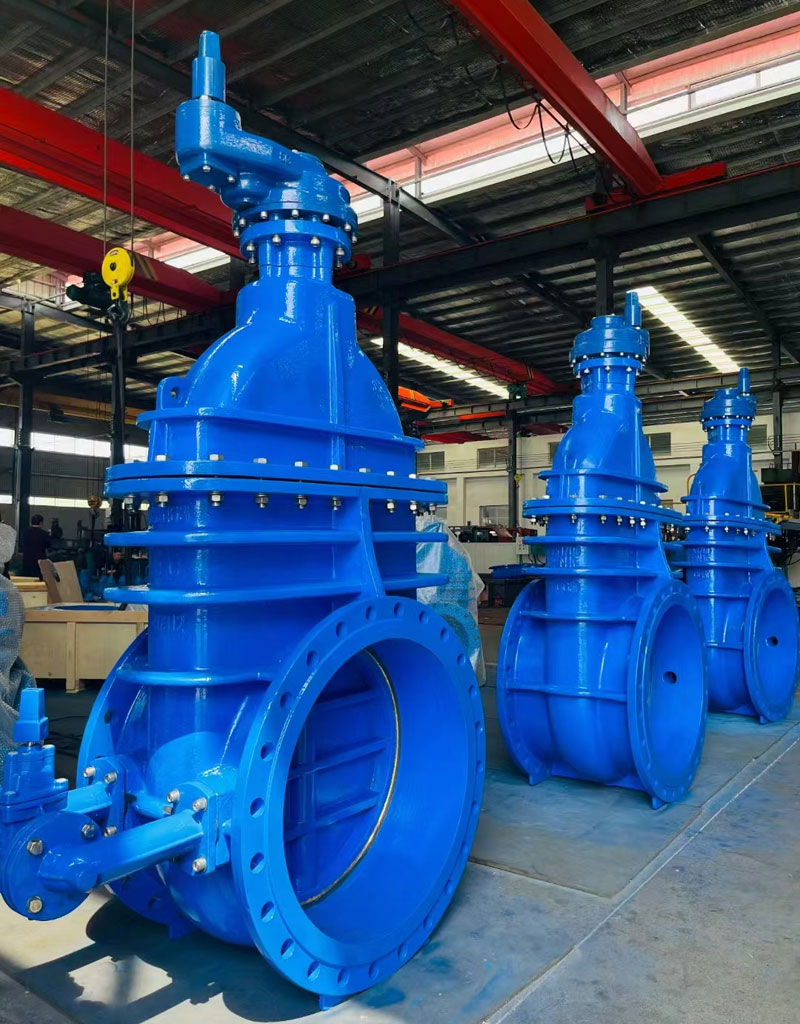
Large diameter gate valves are widely used in thermal power, hydropower, and nuclear power plants, mainly in cooling water, steam, and coolant systems. They are required to withstand high temperature, high pressure, and long-term continuous operation, complying with strict industry standards (API 600, ASME III for nuclear power).
Application Scope: Boiler feedwater, condensate, cooling water, and steam pipelines (DN300-DN1000), with operating temperatures up to 550°C and pressures up to 30 MPa. The valve body is made of high-temperature alloy steel (WC9) to withstand high-temperature steam corrosion.
Core Roles:
• Boiler Isolation: Isolates the boiler from the feedwater and steam systems during maintenance, preventing high-temperature and high-pressure steam and water from leaking, ensuring the safety of maintenance work. The rising stem design with a visual position indicator allows operators to clearly observe the valve's open/closed status.
• Cooling Water Flow Control: Controls the flow of cooling water in the condenser and cooling tower, ensuring the cooling effect of the power generation equipment and maintaining the stable operation of the unit. The large-flow capacity ensures sufficient cooling water supply, avoiding equipment overheating.
• Steam Pipeline Shut-Off: In case of unit failure, it quickly shuts off the steam pipeline, preventing the spread of faults and reducing economic losses. The fire-safe design (complying with API 6FA) ensures reliable sealing even in case of fire.
Application Scope: Water intake, water discharge, and penstock pipelines (DN500-DN1500), adapting to long-term immersion in water and large flow rates. The valve body is made of corrosion-resistant cast steel or stainless steel to resist water corrosion and erosion.
Core Roles:
• Water Intake Control: Controls the flow of water entering the penstock, adjusting the power generation capacity of the hydropower unit according to the water level and power demand. The reliable sealing performance prevents water leakage in the penstock, ensuring the efficiency of power generation.
• Emergency Shutdown: In case of floods, unit failures, or other emergencies, it quickly shuts off the water intake pipeline, protecting the hydropower unit and downstream facilities from damage. The hydraulic actuator ensures quick response and stable operation.
• Drainage Regulation: Controls the discharge of excess water in the reservoir, maintaining the normal water level of the reservoir and ensuring the safe operation of the hydropower plant. The large-bore design meets the large-flow drainage demand during floods.
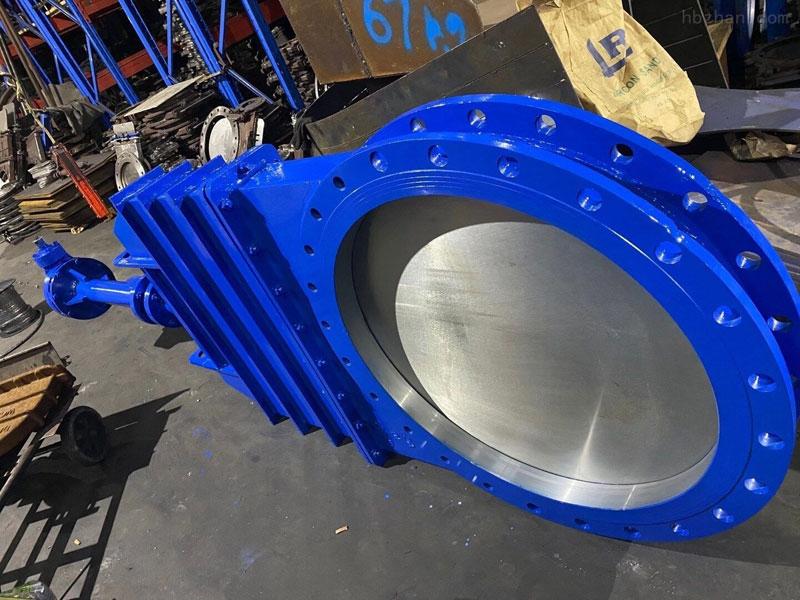
The petrochemical and chemical industry requires large diameter gate valves to handle corrosive, toxic, and flammable media (acids, alkalis, solvents, chemical intermediates). These valves must meet strict safety standards (API 600, ISO 15848-1) to ensure zero leakage and safe operation.
Application Scope: Large-scale chemical reactors, mixer pipelines, and chemical storage tanks (DN300-DN800), with valve materials selected according to the medium's corrosiveness (e.g., duplex steel for strong corrosive media, carbon steel for non-corrosive media).
Core Roles:
• Corrosive Media Isolation: Isolates chemical reactors and storage tanks from the pipeline system, preventing corrosive, toxic, or flammable media from leaking, protecting the environment and personnel safety. The low-emission packing seals (complying with ISO 15848-1) reduce medium leakage to meet environmental standards.
• Production Process Control: Controls the flow of chemical raw materials and intermediates in the production process, ensuring the stability and continuity of the chemical reaction. The straight-through flow channel minimizes pressure drop, ensuring the uniform flow of media and improving reaction efficiency.
• Equipment Protection: Prevents overpressure or backflow of media in the pipeline, protecting chemical equipment from damage and extending the service life of the equipment. The bolted bonnet design ensures reliable sealing and easy disassembly for maintenance.
Application Scope: Large-scale water conservancy projects (dams, canals, water diversion projects) with DN800-DN1500 gate valves, used in water diversion, flood control, and irrigation systems. The valve body is made of high-strength cast iron or steel to withstand large water pressure and impact.
Core Roles: Controls the flow of water in canals and diversion pipelines, adjusts the water volume of irrigation and water supply, and realizes flood control and disaster reduction by shutting off or releasing water.
Application Scope: Ship ballast systems, fuel pipelines, and cooling water systems (DN300-DN600), withstanding the harsh marine environment (high salinity, humidity, vibration). The valve body is made of corrosion-resistant brass or stainless steel, complying with marine industry standards (IMO).
Core Roles: Controls the flow of ballast water, fuel, and cooling water, ensuring the stable operation of the ship. The corrosion-resistant design prevents valve damage caused by seawater, ensuring the safety of the ship's navigation.
Application Scope: Large-scale steel plants, non-ferrous metal smelters (DN300-DN800), used in cooling water, molten steel, and slag discharge pipelines. The valve body is made of high-temperature and wear-resistant alloy steel to adapt to the high-temperature and dusty environment.
Core Roles: Controls the flow of cooling water for smelting equipment, discharges molten steel and slag, and ensures the normal operation of the smelting process. The wear-resistant sealing surface prevents damage caused by high-temperature slag and extends the valve's service life.
To ensure the optimal performance and service life of large diameter gate valves in various application scenarios, the following points should be noted:
• Material Selection: Select valve body and seat materials according to the medium's corrosiveness, temperature, and pressure. For example, API 600 requires cast steel (A216 WCB) for general applications, alloy steel (A217 WC9) for high-temperature steam, and duplex steel for corrosive media (seawater, sulfuric acid).
• Standard Compliance: Choose valves complying with international standards such as API 600 (steel gate valves), API 598 (pressure testing), and API 6FA (fire testing) to ensure product reliability and compatibility with global industrial projects.
• Actuator Matching: For large diameter gate valves (above DN500), electric or hydraulic actuators are preferred to reduce operating torque. Equip with backup manual devices to ensure operation in case of power failure or actuator failure.
• Installation and Maintenance: Ensure correct installation (complying with ASME B16.5 flange standards) and regular maintenance (lubrication of the stem, inspection of the sealing surface) to avoid valve jamming or leakage, extending the service life.
Large diameter gate valves (DN300+) play an irreplaceable role in large-scale industrial fluid control systems, with wide application in oil and gas, water treatment, power generation, petrochemical, and other core industries. Their core roles in each scenario are centered on reliable isolation, large-flow control, and long-term stable operation under harsh conditions, which are closely related to their structural design (linear gate movement, straight-through flow channel) and material advantages (high strength, corrosion resistance).
As the global industrial infrastructure continues to upgrade, the demand for large diameter gate valves is expected to grow steadily (expected to reach USD 7.8 billion by 2035 with a CAGR of 3.8%). Understanding their application scenarios and corresponding roles is crucial for industrial buyers, engineers, and procurement professionals to make informed selection decisions, maximize the value of the valves, and ensure the safe, efficient, and stable operation of industrial systems. Adhering to API 600 and other core standards is the key to ensuring the performance and reliability of large diameter gate valves in various harsh application scenarios.
Tags: Large diameter gate valve big size gate valve DN300 gate valve API 600 gate valve gate valve for oil and gas gate valve for water treatment gate valve for power plant gate valve for petrochemical industry
Various Models for Your Choice

Have be any question? Feel free to Contact.



WEIZIDOM Group is specializes in the manufacturing, sale and after-sale service of valves, pipe fittings, water meters, flow meters and other pipeline accessories.
Copyright © 2026.WEIZIDOM All rights reserved.