Language


More Language
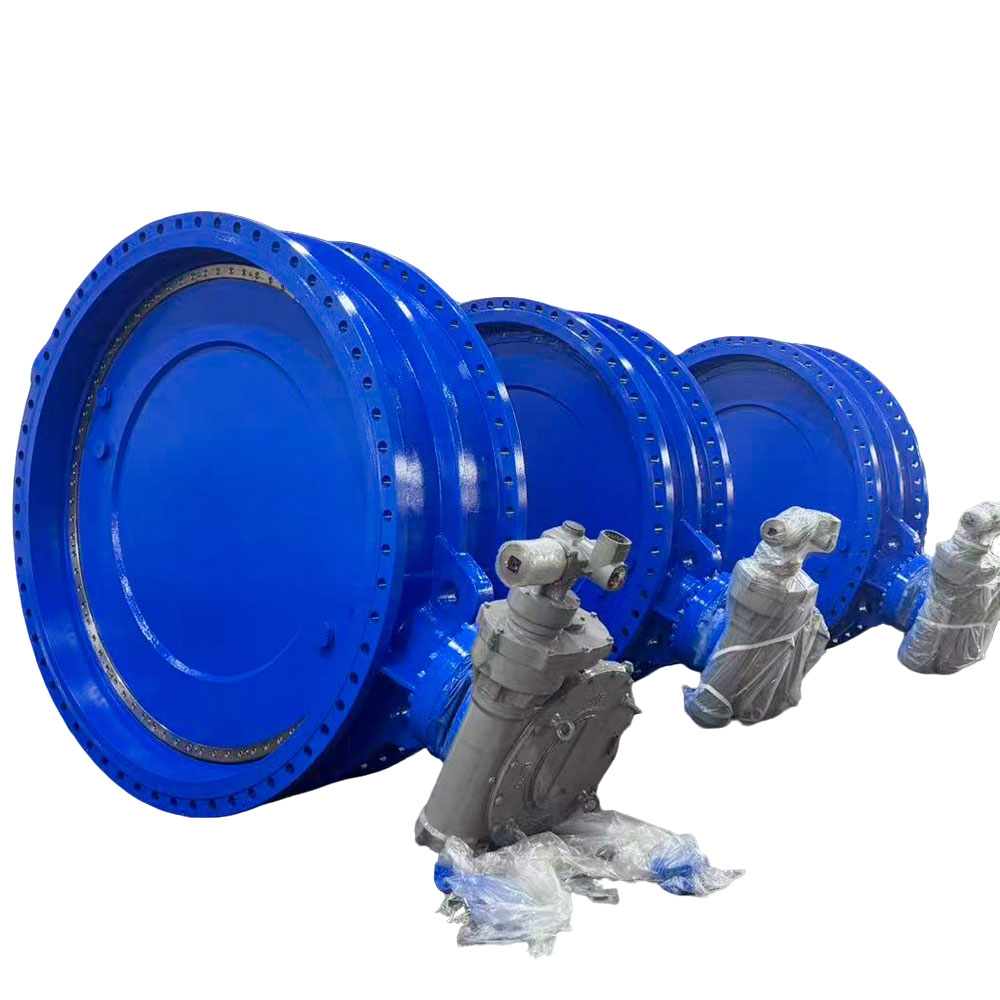
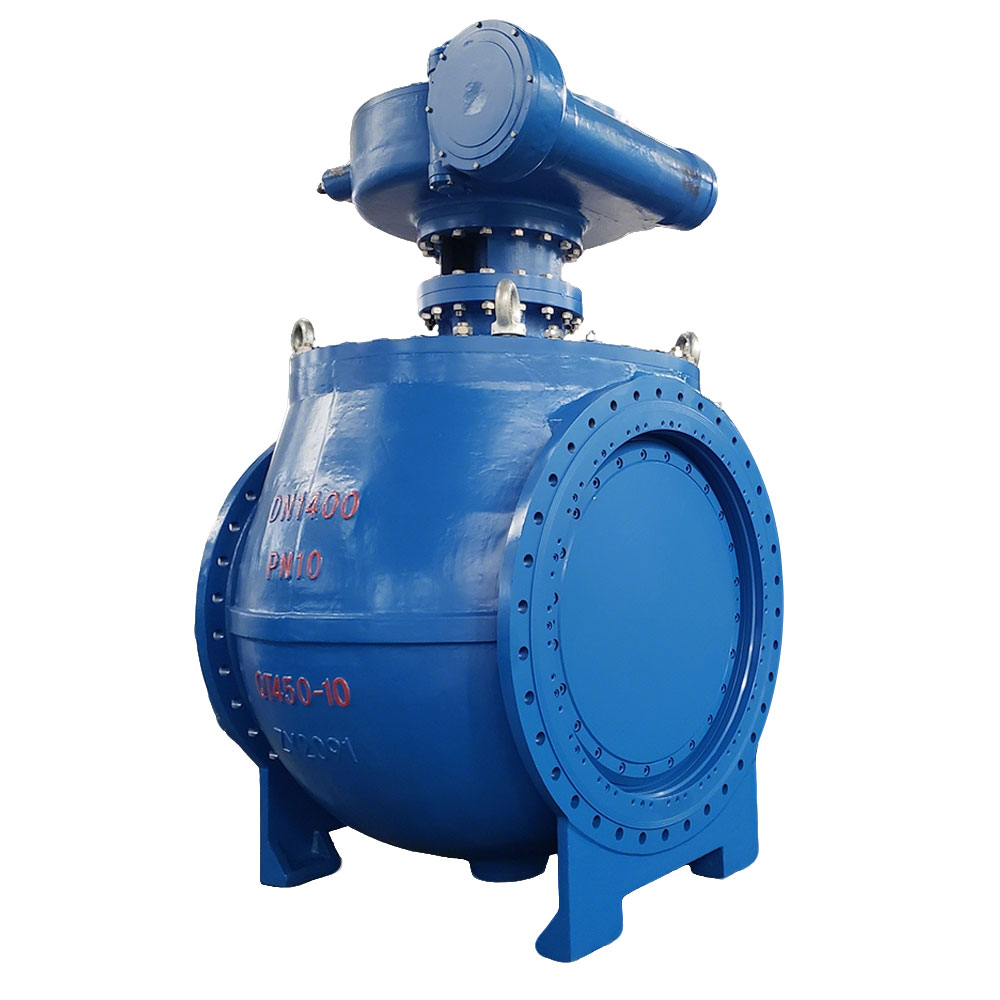
Language A large-diameter gate valve is a linear-motion valve, generally referring to valves with a nominal diameter DN ≥ 600 mm (DN600, DN800, DN1000, DN1200, DN1400, DN2000 and larger).Large-diameter gate valves are preferred where low flow resistance and reliable shutoff are required.
A large-diameter gate valve is a linear-motion valve, generally referring to valves with a nominal diameter DN ≥ 600 mm (DN600, DN800, DN1000, DN1200, DN1400, DN2000 and larger).
It uses a gate (wedge or parallel disc) that moves up and down perpendicular to the flow direction to fully open or fully close the pipeline. It is designed primarily for on-off service, not for throttling or flow regulation.
Straight-through flow channel, extremely low flow resistance when fully open.
Good sealing performance in fully closed position.
Suitable for large flow rates and long-distance pipelines.
Bulky structure, heavy weight, and relatively slow operation.
Mostly used in fully open or fully closed conditions.
Wedge Gate Valve
Tapered sealing surface; provides tight shutoff. Common in water, oil, and gas systems.
Parallel Slide Gate Valve
Flat sealing faces; less prone to jamming; widely used in large-diameter low-pressure applications.
Rising Stem (Outside Screw and Yoke)
The stem moves upward with the gate; visible position, easy to maintain.Standard for large-diameter critical applications.
Non-rising Stem (Inside Screw)
Stem rotates without lifting; saves vertical space. Used in underground or space-limited installations.
Soft-sealed Gate Valve
Uses rubber or polymer seats; good tightness at low pressure and temperature.
Metal-sealed Gate Valve
Metal-to-metal seating; high temperature and pressure resistance, long service life.
Bolted Bonnet
High pressure rating, easy to disassemble and repair.
Pressure Seal Bonnet
Used in high-pressure large-diameter applications (power plants, etc.).
Split Body / Solid Body
Solid body: high rigidity. Split body: easier to maintain internals.
Flanged (most common for large diameter).
Welded (butt-welded, for high-pressure pipelines).
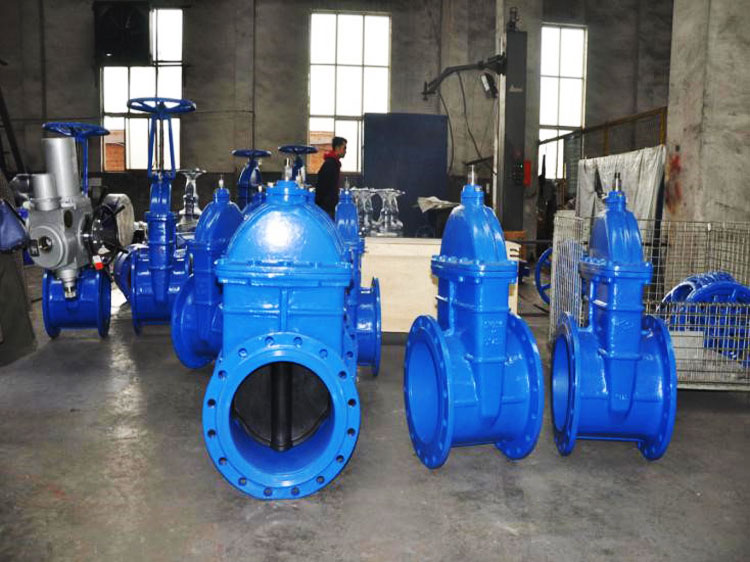
Large-diameter gate valves are widely used in:
Municipal engineering: Water supply networks, drainage systems, long-distance water transmission.
Hydraulic engineering: Reservoirs, dams, irrigation systems, flood discharge channels.
Thermal & nuclear power: Cooling water systems, condensate systems, raw water pipelines.
Petrochemical & oil & gas: Main transmission pipelines, storage tank farms.
Marine & offshore: Ship piping, dock water systems.
Mining & metallurgy: Industrial water, slurry pipelines (with hardened gates).
They are preferred where low flow resistance and reliable shutoff are required.
Handwheel, bevel gear, worm gear operator.
Used for infrequent operation, small torque requirements.
Common in DN600–DN1200 non-critical lines.
Motor-driven, with local and remote control.
Adjustable opening and closing speed.
Most widely used for large-diameter automatic systems.
Fast operation, suitable for explosion-proof areas.
Used in oil, gas, and chemical plants.
Extremely high output torque.
Used for ultra-large diameter (DN1400+) and high-pressure conditions.
Stable and reliable under heavy load.
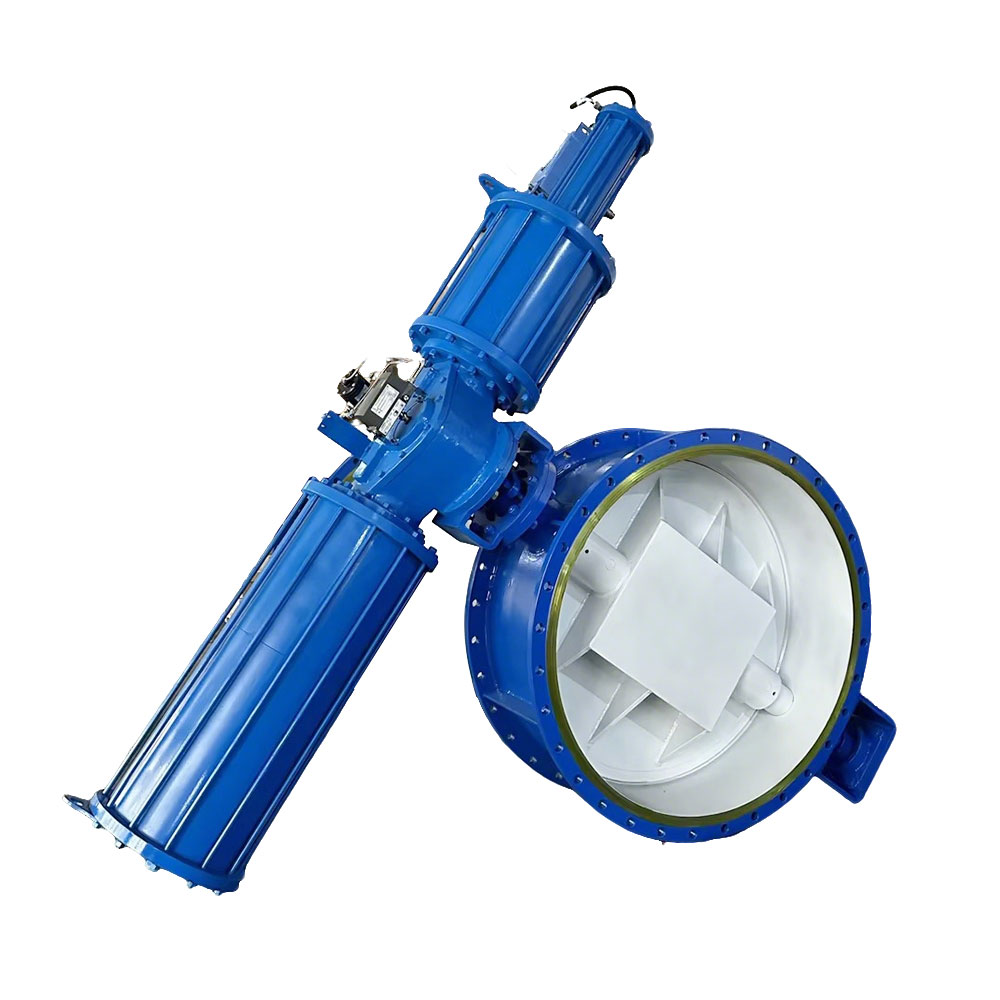
Combines electric control and hydraulic power.
High torque, precise control, strong environmental adaptability.
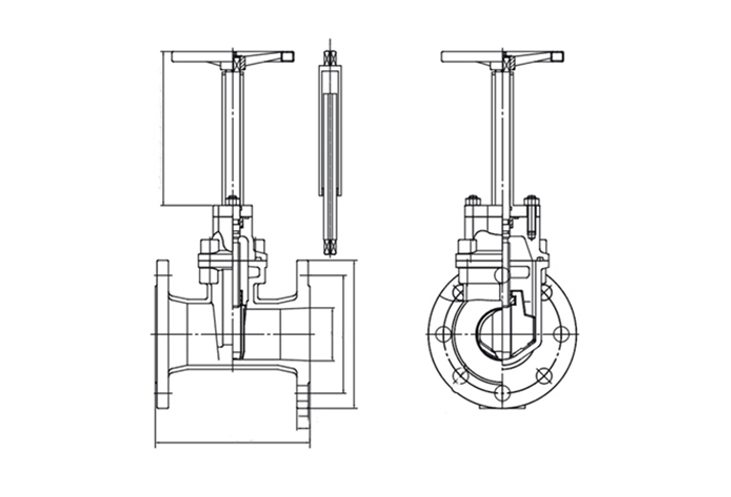
Determine nominal diameter and pressure class
Match pipeline DN and design pressure (PN6, PN10, PN16, PN25, Class 150, 300, etc.)
Choose stem type
Rising stem: easy inspection, better for critical service.
Non-rising stem: limited vertical space.
Consider medium properties
Clean water, air → soft seal or metal seal.
High temperature, steam, oil → metal hard seal.
Abrasive slurry → wear-resistant alloy surfacing.
Operating frequency
Frequent operation → gate valves are not ideal; use butterfly or ball valves instead.
Infrequent on-off → gate valves are economical and reliable.
Leakage requirements
Strict bubble-tight shutoff → wedge-type metal seated gate valves.
General service → parallel gate valves.
Installation environment
Underground / buried → non-rising stem, anti-corrosion coating.
Outdoor exposed → rising stem, weather-proof actuator.
Cost and maintenance
Gate valves are heavier and more expensive than butterfly valves but offer better sealing in high-pressure conditions.
Regularly check for external leakage at flanges, packing, and bonnet.
Lubricate stem threads, bearings, and gear operators.
Check actuator working status (motor, limit switches, torque control).
Keep valve body and stem clean and free of corrosion.
Monitor for abnormal vibration or noise during operation.
Inspect gate and seat sealing surfaces for wear, scratches, or scaling.
Replace worn gaskets, packing, and O-rings.
Clean sediment, rust, and debris inside the valve body.
Check and retighten flange bolts and bonnet bolts.
Verify alignment of stem and gate to prevent jamming.
Test opening and closing torque and limit switch accuracy.
Internal leakage → Reseat or replace gate/seat; lapping sealing surfaces.
Stem leakage → Tighten or replace packing.
Difficult operation → Remove debris, lubricate threads, correct misalignment.
Gate jamming → Clean foreign matter, check for thermal deformation.
Actuator failure → Inspect motor, wiring, gears, and hydraulic components.
Store in dry, ventilated, dust-free environment.
Keep valve in partially open position to avoid seat deformation.
Apply anti-corrosion oil to stem and machined surfaces.
Protect flanges and actuators from mechanical damage.
Various Models for Your Choice

Have be any question? Feel free to Contact.



WEIZIDOM Group is specializes in the manufacturing, sale and after-sale service of valves, pipe fittings, water meters, flow meters and other pipeline accessories.
Copyright © 2026.WEIZIDOM All rights reserved.