Language


More Language
Language Large-diameter gate valves and butterfly valves are both indispensable in modern water supply systems, yet their roles and application scenarios are defined by distinct design strengths
In municipal and industrial water supply systems, large-diameter valves (DN≥200) serve as the backbone of fluid control, dictating the efficiency, reliability, and safety of water transmission and distribution networks. Among the most widely used solutions, large-diameter gate valves and large-diameter butterfly valves each play irreplaceable roles, yet their design principles, operational characteristics, and application scenarios differ significantly. Selecting the right valve type is critical for optimizing system performance, reducing maintenance costs, and ensuring long-term operational stability—especially in high-flow, high-pressure water supply trunk lines, municipal distribution networks, and water treatment plant pipelines. This article breaks down the core functions of both valve types, their key differences, and provides a detailed comparison of their application scenarios, offering a professional guide for engineers, contractors, and infrastructure stakeholders in water supply system design and procurement.
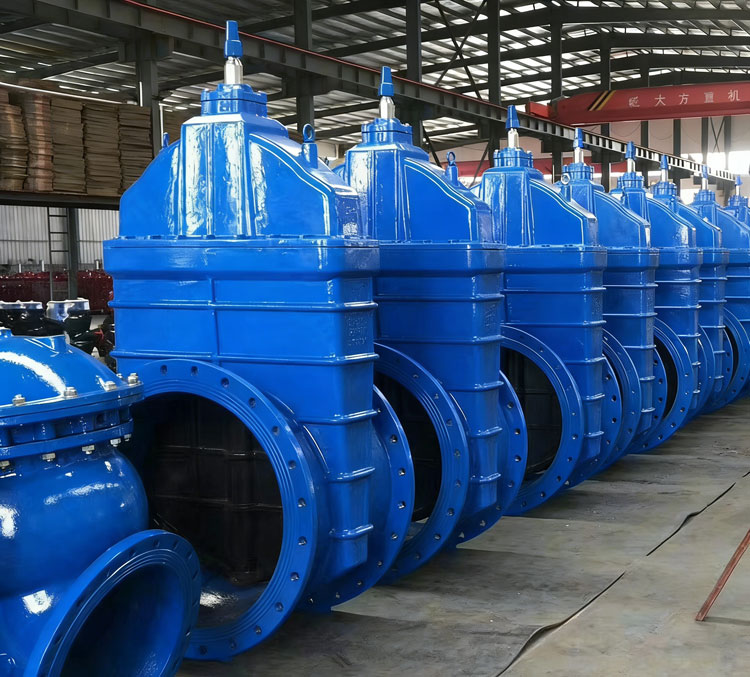
Gate valves are linear-motion isolation valves engineered for on/off control in large-diameter water supply pipelines, with a design centered on a vertical sliding gate (or wedge) that fully retracts to open the flow path and lowers to seal it completely. Their primary functions in water supply infrastructure are tailored to the unique demands of high-volume water transmission and critical isolation, including:
In fully open position, the gate retracts entirely into the valve body, creating an unobstructed, full-bore flow path with minimal pressure loss (negligible head loss in most cases). This makes gate valves the ideal choice for water supply trunk mains, transmission lines, and pump discharge pipelines where maximizing flow rate and minimizing energy consumption are top priorities. They ensure efficient water delivery across long-distance municipal networks and industrial water supply systems.
Designed with resilient seated (EPDM or rubber) or metal-to-metal sealing systems, large-diameter gate valves deliver bidirectional drop-tight isolation (ANSI Class IV or higher sealing performance). This function is essential for sectional isolation in water supply networks—for example, isolating faulty pipeline sections, maintenance zones, or individual distribution branches in municipal ring networks without disrupting the entire system. It also prevents backflow in bidirectional water flow sections, a key requirement for flexible water supply network operation.
The full-bore design of gate valves allows for the passage of pipeline cleaning pigs and inspection tools, a critical function for large-diameter water supply pipelines that require regular maintenance to remove sediment, scale, and debris. This compatibility ensures the long-term integrity of transmission lines and avoids flow restrictions caused by pipeline fouling, making gate valves a staple in water infrastructure projects with strict maintenance requirements.
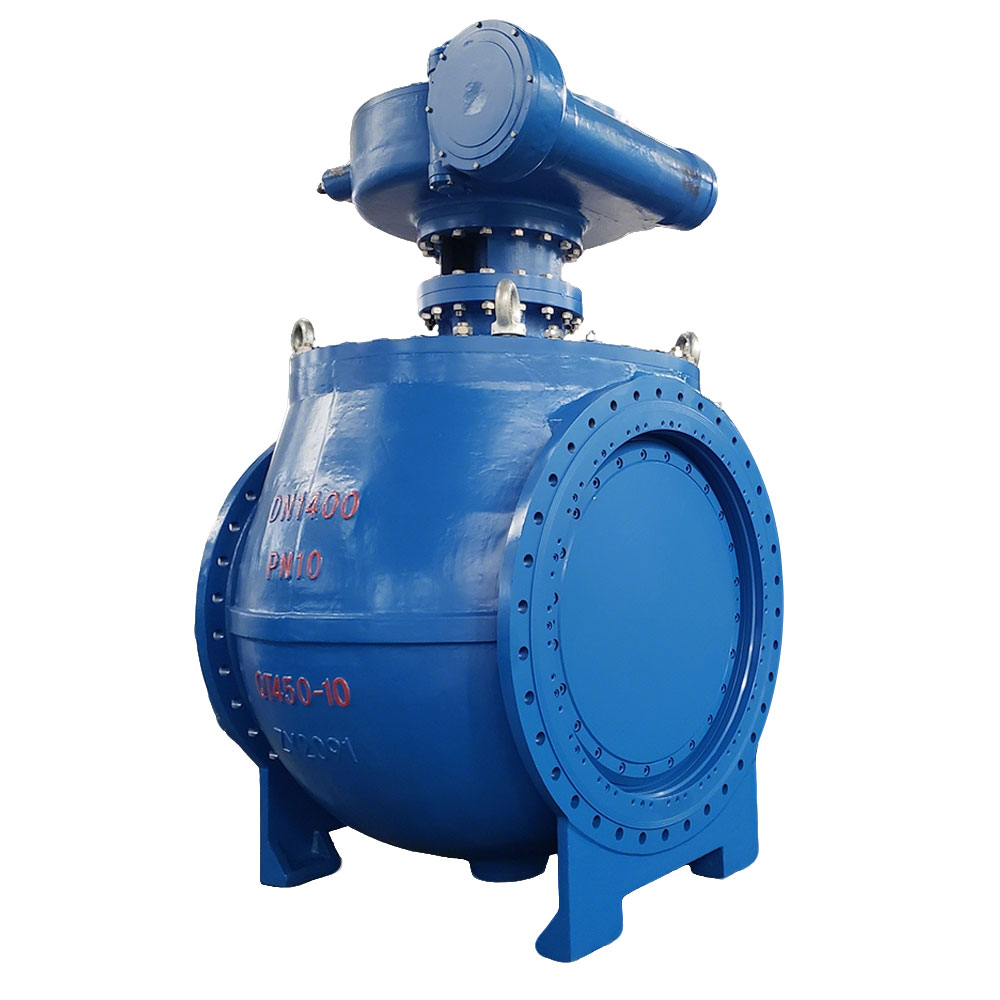
Constructed with robust ductile iron (GGG50/QT450-10) or carbon steel bodies and reinforced gate structures, large-diameter gate valves are rated for high pressure classes (PN10-PN25, and up to PN40 for industrial applications). They withstand the pressure fluctuations inherent in hilly terrain water transmission and large-scale municipal water supply systems, providing stable isolation performance even under extreme operating conditions.
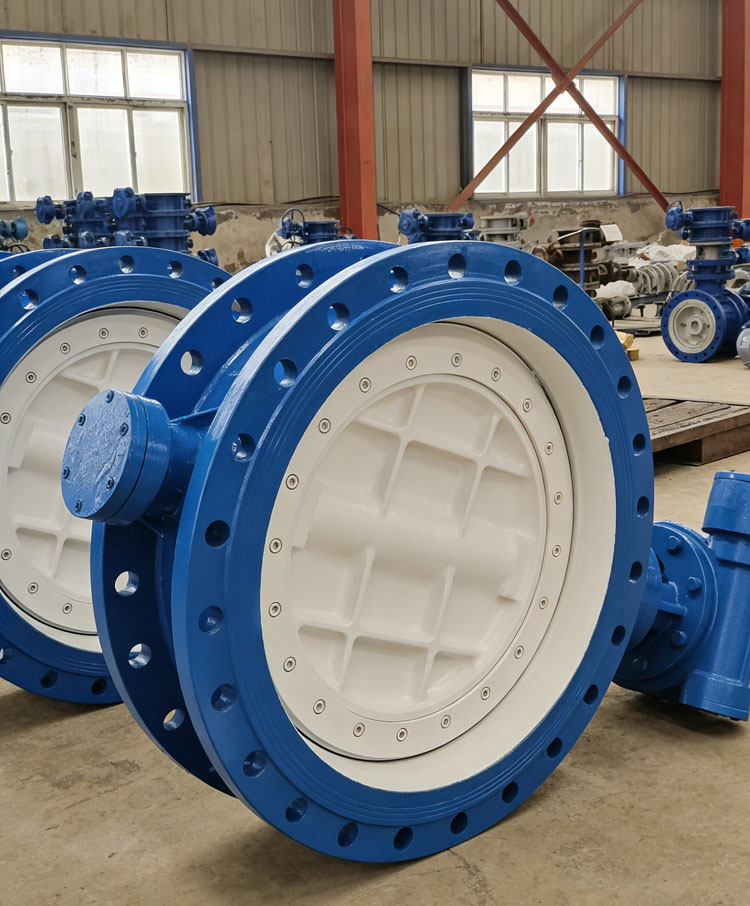
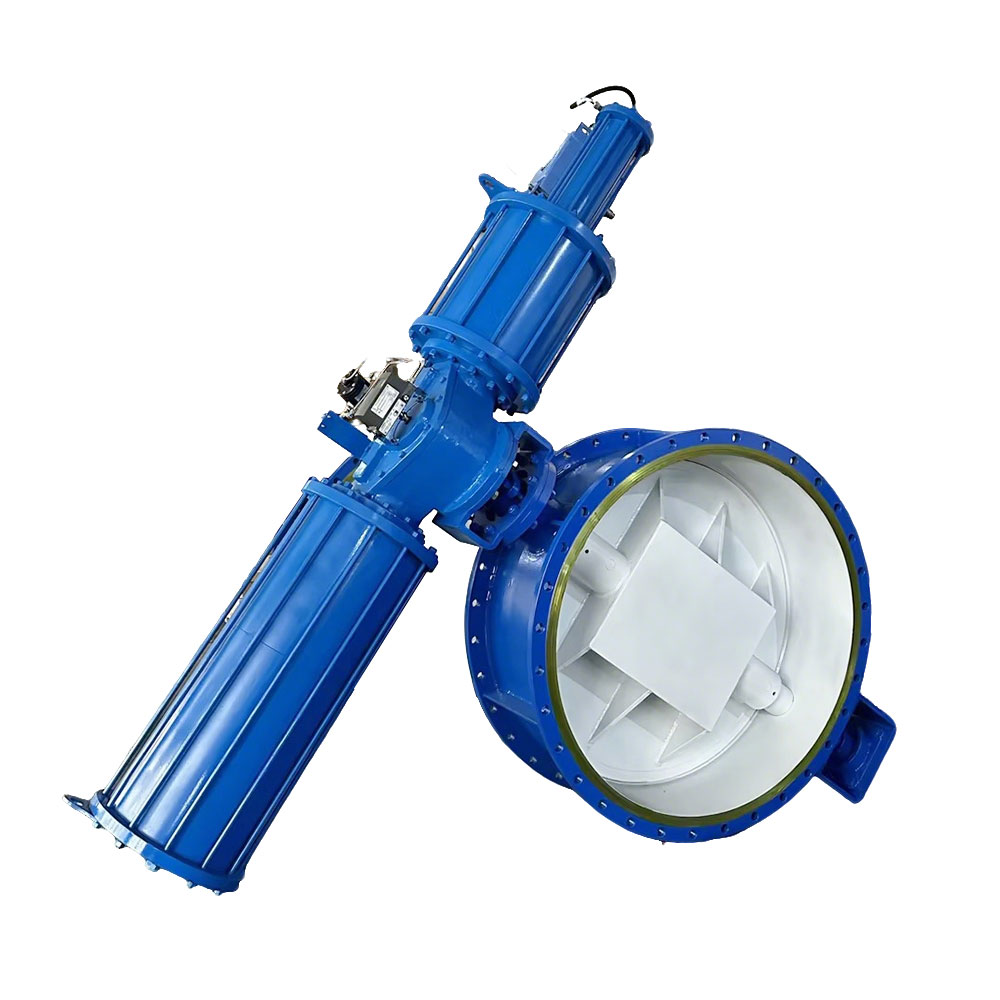
Butterfly valves are quarter-turn rotary valves featuring a circular disc that rotates 90° around a central shaft to control flow—from fully open (disc parallel to flow) to fully closed (disc perpendicular to flow). Their compact design and versatile performance make them a preferred choice for isolation and moderate throttling in large-diameter water supply systems, with core functions including:
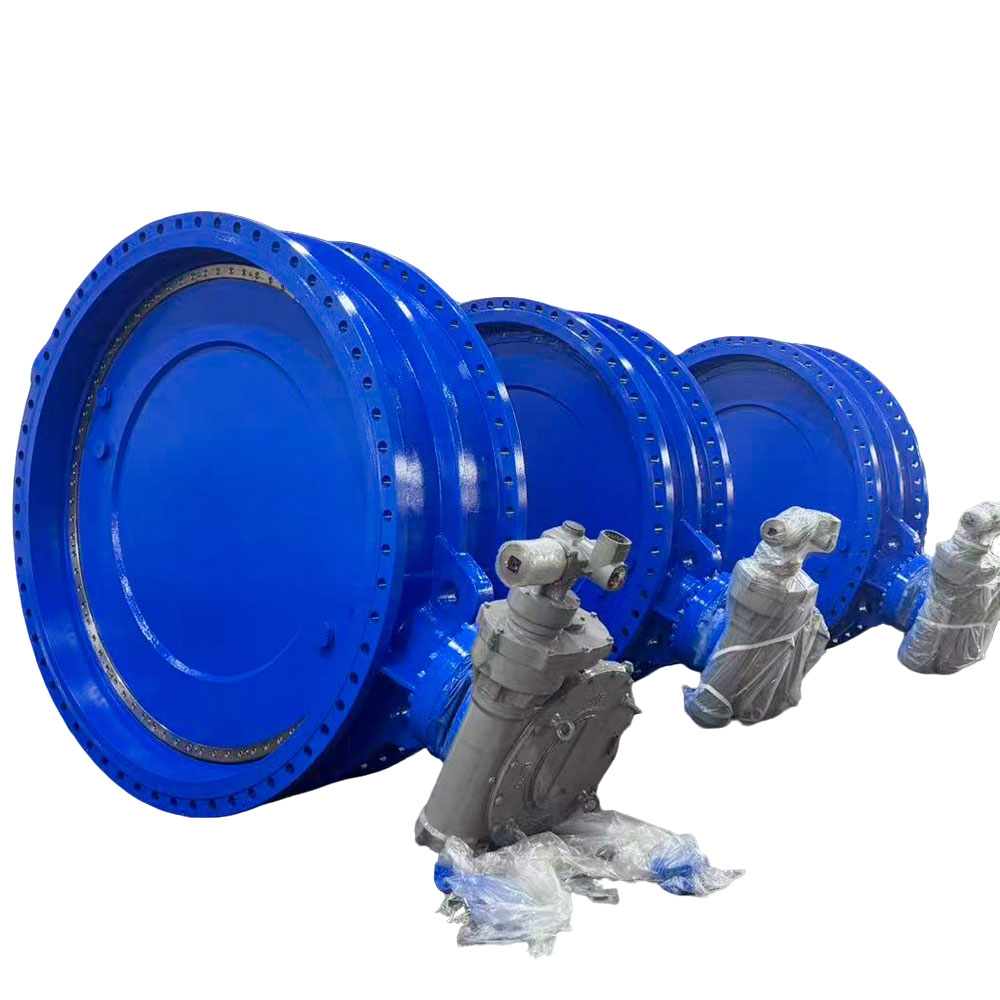
With a slim, wafer or lug-style body design, large-diameter butterfly valves have minimal face-to-face dimensions and light weight (up to 80% lighter than gate valves of the same DN). This function is invaluable for water treatment plants, pump rooms, and underground distribution vaults where installation space is limited. They fit easily into dense pipeline layouts without compromising flow control, a key advantage for retrofitting or expanding existing water supply systems.
Unlike gate valves, which are designed exclusively for on/off use, modern large-diameter butterfly valves (especially double-eccentric or triple-eccentric designs) support moderate throttling for flow and pressure adjustment. This function is critical for water distribution networks where flow rates need to be fine-tuned to match regional demand—for example, adjusting water supply to residential neighborhoods, commercial districts, or industrial zones. They also help mitigate water hammer in pipeline branches with variable flow demands.
The quarter-turn actuation mechanism enables butterfly valves to open or close in just a few seconds, far faster than gate valves (which require multiple rotations of the stem). This rapid operation is essential for emergency scenarios in water supply systems—such as isolating pipeline bursts, shutting down water flow to fire-affected areas, or responding to pressure surges. It minimizes water loss, reduces infrastructure damage, and improves the system’s emergency response capability.
For large-diameter pipelines (DN≥300), butterfly valves offer a significant cost advantage over gate valves, with lower manufacturing, transportation, and installation costs. Their light weight reduces the load on pipe supports and concrete slabs, cutting civil engineering costs for water infrastructure projects. This cost efficiency, combined with reliable performance, makes them the go-to choice for large-scale municipal water distribution networks and secondary transmission lines where budget optimization is a priority.
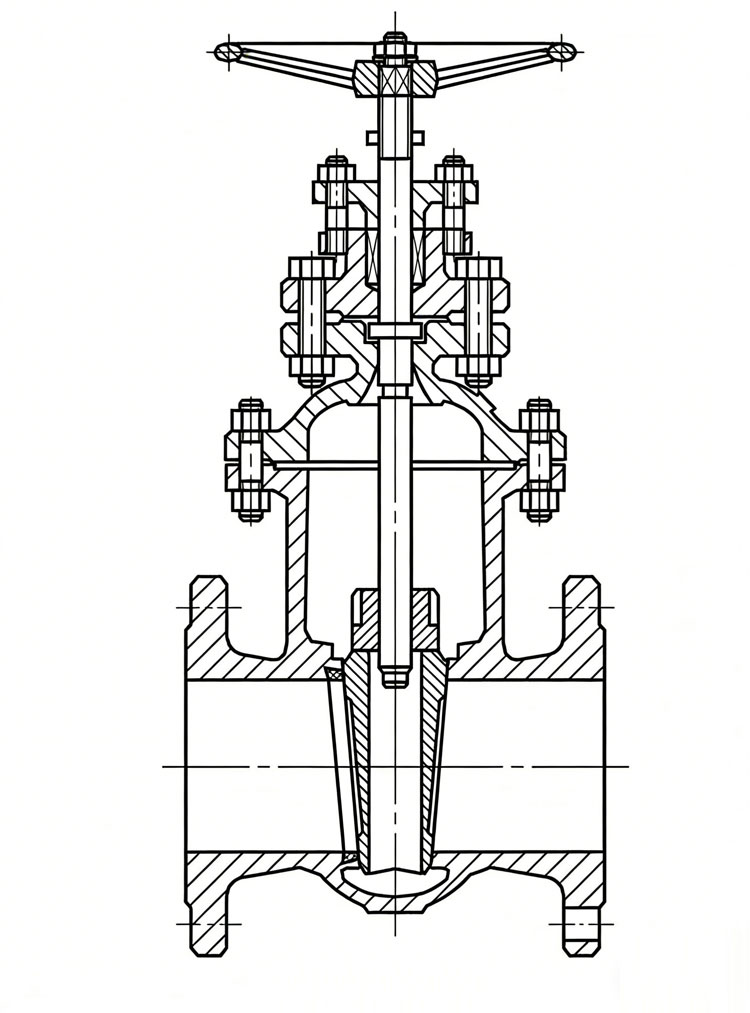
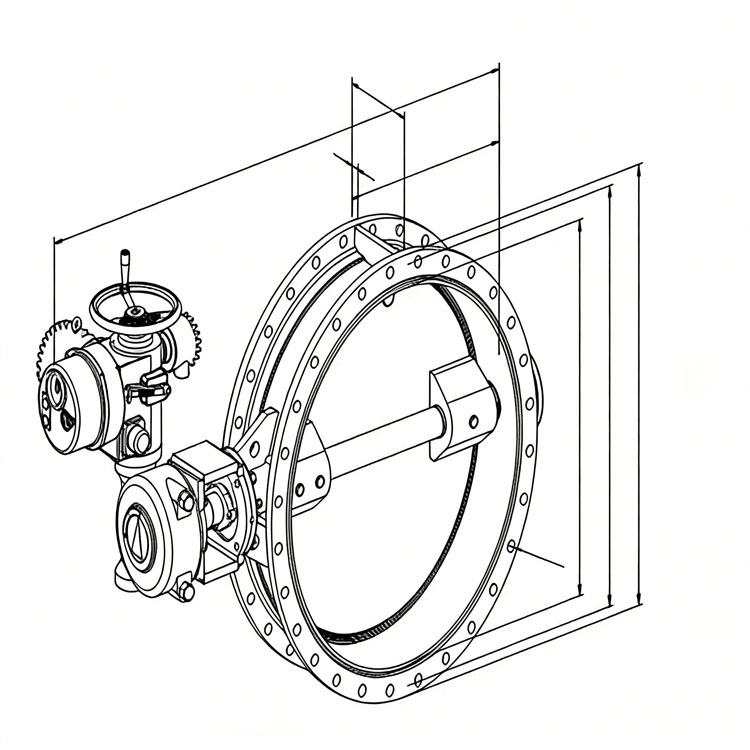
While both valve types serve as critical fluid control components in water supply systems, their design, performance, and application suitability differ fundamentally. The table below outlines the core differences, and we break down the most impactful distinctions in detail:
Factor | Large-Diameter Gate Valve | Large-Diameter Butterfly Valve |
Operating Mechanism | Linear motion (gate slides up/down); multi-turn actuation | Quarter-turn rotary motion (disc rotates 90°); single/multi-turn actuation |
Flow Path | Full-bore, unobstructed when open | Restricted (disc in flow path) when open |
Pressure Loss | Very low (negligible head loss) | Low (minor head loss due to disc obstruction) |
Primary Function | Exclusively on/off isolation | Isolation + moderate throttling/flow regulation |
Size & Weight | Bulky, heavy (large body and stem structure) | Compact, lightweight (slim body, minimal components) |
Sealing Performance | Bidirectional drop-tight (ANSI Class IV+) | Unidirectional/bidirectional (ANSI Class III-IV) |
Actuation Torque | High (especially for DN≥600) | Low (even for large DN) |
Cost (DN≥300) | Higher (material and manufacturing costs) | Lower (cost-effective for large diameters) |
Maintenance | Robust, low-frequency (wedge/seat design) | Simple, fewer parts (easy access to disc/seat) |
Pigging Compatibility | Yes (full-bore design) | No (disc obstructs pig passage) |
The most fundamental difference lies in their operating mechanisms: gate valves use a linear sliding gate that requires multiple stem rotations to open/close, making their operation slower but more stable for full isolation. Butterfly valves use a rotary disc with a quarter-turn design, enabling fast operation but with a permanent disc in the flow path—even when fully open. This design difference directly impacts flow characteristics, pressure loss, and application suitability.
Gate valves excel in zero-obstruction flow—their full-bore design eliminates pressure loss, making them ideal for high-flow, long-distance water transmission where energy efficiency is critical. Butterfly valves, by contrast, have a disc that remains in the flow path, causing minor pressure loss (typically 5-10% of gate valve loss for the same DN). While this loss is negligible in most distribution scenarios, it makes butterfly valves less suitable for critical trunk transmission lines with strict energy efficiency requirements.
Gate valves have a large footprint and heavy weight due to their extended stem and bulky body, requiring ample installation space and reinforced pipe supports. This limits their use in compact areas like water treatment plant skids or underground vaults. Butterfly valves, with their slim wafer/lug design, fit into tight spaces and impose minimal structural load on pipelines—an unbeatable advantage for retrofitting projects or dense infrastructure layouts.
Gate valves are not designed for throttling: partial opening causes severe gate vibration, seat wear, and uneven flow, leading to premature failure and leakage. Butterfly valves, however, support moderate throttling (0-80% flow adjustment) with double/triple-eccentric designs that reduce disc-seat friction and wear. This makes them the only choice for water supply systems that require both isolation and flow regulation.
For small diameters (DN<200), the cost difference between gate and butterfly valves is minimal. But for large diameters (DN≥300), butterfly valves offer a 30-50% cost reduction in manufacturing and transportation, with lower installation costs due to their light weight. Gate valves, while more expensive upfront, deliver lower lifecycle maintenance costs in critical isolation applications—their robust wedge-seat design resists wear and tear, with service intervals of 10-15 years (vs. 5-8 years for butterfly valves in high-flow scenarios).
The practical application of large-diameter gate valves and butterfly valves in water supply systems is strictly tied to their structural and performance characteristics. A targeted comparison of their typical application scenarios, along with the core reasons for selection, is critical for accurate valve specification and procurement. The following table and analysis clarify their scenario-specific suitability, covering key water supply infrastructure links from raw water intake to end-user distribution:
Water Supply System Link | Large-Diameter Gate Valve Typical Scenarios | Large-Diameter Butterfly Valve Typical Scenarios | Core Selection Reason for Gate Valve | Core Selection Reason for Butterfly Valve |
Raw Water Intake & Transmission | DN600+ long-distance raw water trunk lines, cross-river/cross-regional water transmission pipelines, pump station discharge mains for large-scale water intake | Secondary raw water transmission lines (DN300-DN500), short-distance raw water distribution from intake to water plant | Full-bore, negligible pressure loss; bidirectional tight sealing; pigging compatible for sediment cleaning | Compact design, low cost; fast operation for emergency intake control; moderate throttling for flow adjustment |
Water Treatment Plant | Clear water tank inlet/outlet isolation, high-pressure filter backwash pipelines, plant boundary critical isolation valves | Filter feed/discharge pipelines, chemical dosing system main lines, plant internal distribution branches, pump room compact installation zones | Critical isolation to prevent cross-contamination; high-pressure resistance; full-bore for maintenance pigging | Space-saving wafer/lug design; low actuation torque for easy automation; moderate throttling for process flow regulation |
Municipal Trunk Water Supply | DN500+ urban water supply trunk mains, ring network main isolation valves, hilly terrain high-pressure transmission lines | Secondary trunk lines (DN300-DN400) connecting trunk mains to distribution networks, urban sub-region trunk isolation | Minimal energy loss for long-distance transmission; bidirectional sealing for ring network flexible operation; robust for pressure fluctuations | Cost efficiency for large-diameter secondary lines; fast operation for regional isolation; lightweight for easy installation on elevated pipelines |
Municipal Distribution Network | Community main entrance critical isolation (DN200-DN300), industrial park dedicated water supply trunk isolation | Residential/commercial district distribution branches, street-level pipeline isolation, fire protection network secondary branches, underground vault installation | Tight isolation to avoid large-scale water outage during maintenance; durable for long-term on/off operation | Compact for underground limited space; moderate throttling for demand-based flow adjustment; low cost for large-scale network deployment |
Industrial Water Supply | Heavy industry high-pressure process water transmission (PN20+), industrial park central water supply trunk lines, cooling water system main isolation | Light industry process water distribution, cooling water branch lines, factory internal water supply networks, compact pump room zones | High-pressure resistance; full-bore for high-flow transmission; pigging compatible for pipeline maintenance | Space-saving for factory dense layouts; fast emergency shutoff; cost-effective for branch line deployment |
1. Long-Distance High-Flow Water Transmission
Gate valves are the only optimal choice for DN600+ long-distance trunk transmission lines (e.g., cross-city or cross-regional water supply projects). Their full-bore design eliminates pressure loss, reducing energy consumption for water pump operation—a critical factor for large-scale, long-term water transmission. Additionally, their pigging compatibility allows for regular pipeline cleaning to remove sediment, ensuring consistent flow rates over time. Butterfly valves are only suitable for secondary transmission lines in this link, where flow demands are lower and budget optimization is a priority.
2. Compact Installation Zones (Water Treatment Plants/Pump Rooms)
Butterfly valves dominate in water treatment plants, pump rooms, and underground distribution vaults due to their space-efficient design. A DN800 butterfly valve is up to 80% lighter and has a 60% smaller face-to-face dimension than a gate valve of the same size, fitting easily into dense pipeline skids and underground limited spaces. Their low actuation torque also makes them ideal for automated control, a key requirement for modern water treatment plant process flow management. Gate valves are only used for critical isolation points (e.g., plant boundaries) in these zones where tight sealing is non-negotiable.
3. Municipal Ring Network & Flexible Distribution
Gate valves are used for main isolation points in municipal ring networks, leveraging their bidirectional drop-tight sealing to support flexible water flow direction adjustment—a core feature of ring network design that ensures water supply reliability when a single pipeline section fails. Butterfly valves, by contrast, are widely used for sub-regional and branch isolation in the ring network, with their fast operation enabling quick response to local pipeline issues (e.g., bursts) and minimizing the scope of water outages. Their moderate throttling capability also allows for flow adjustment to match different sub-region water demand, optimizing network efficiency.
4. Emergency Response & Rapid Isolation
Butterfly valves are the preferred choice for emergency isolation scenarios (e.g., pipeline bursts, pressure surges) due to their quarter-turn rapid operation—opening or closing in 3-5 seconds, compared to several minutes for a gate valve (which requires multiple stem rotations). This fast operation minimizes water loss, reduces infrastructure damage, and speeds up emergency repair work. Gate valves, while offering superior sealing for long-term isolation, are not suitable for emergency response due to their slow actuation.
5. Industrial Water Supply with High-Pressure Demands
For heavy industry water supply systems with high-pressure requirements (PN20+), such as steel, petrochemical, and power generation plants, gate valves are the top choice for their robust high-pressure resistance and full-bore design, which ensures high-flow process water transmission. Butterfly valves are limited to low-to-medium pressure industrial water supply (PN10-PN16), such as light manufacturing and food processing plants, where space and cost are more critical than ultra-low pressure loss.
Building on the function, difference and application scenario analysis, the choice between large-diameter gate valves and butterfly valves depends on system requirements, installation conditions, operational goals and infrastructure links. Below is a professional selection guide aligned with industry best practices (ANSI, AWWA, ISO standards) for water supply infrastructure, simplifying the decision-making process for engineers and procurement teams:
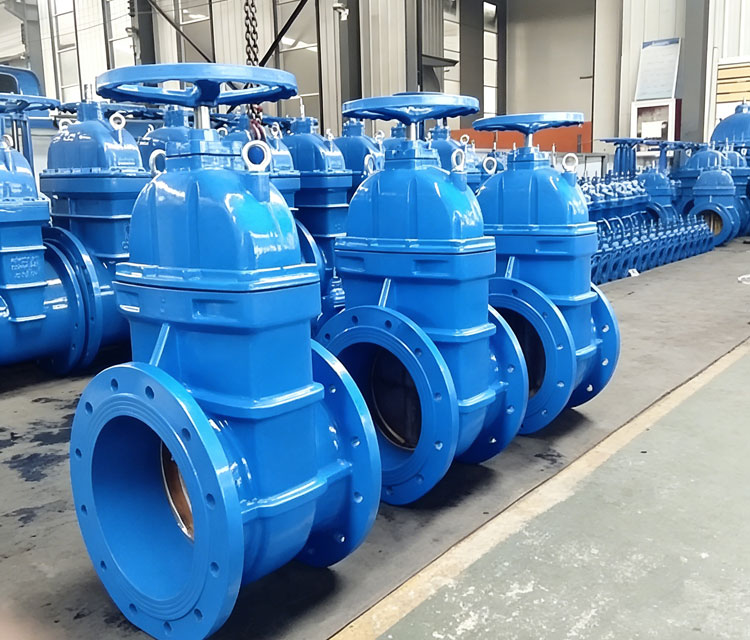
- Designing long-distance water transmission trunk mains (DN≥600) where minimal pressure loss and energy efficiency are critical.
- Requiring critical sectional isolation in municipal ring networks or water treatment plant boundaries (e.g., isolating raw water intake lines, clear water storage tank outlets) to prevent cross-contamination or large-scale water outages.
- Pipeline maintenance involves pigging or mechanical cleaning to remove sediment, scale and debris— a common requirement for large-diameter raw water and clear water transmission lines.
- Operating in high-pressure water supply systems (PN≥20) with bidirectional flow demands, such as hilly terrain transmission lines and heavy industrial process water supply.
- Complying with traditional waterworks specifications (AWWA C509/C515, BS 5163) for gate valve use in fire protection loops and critical isolation zones with strict sealing requirements.
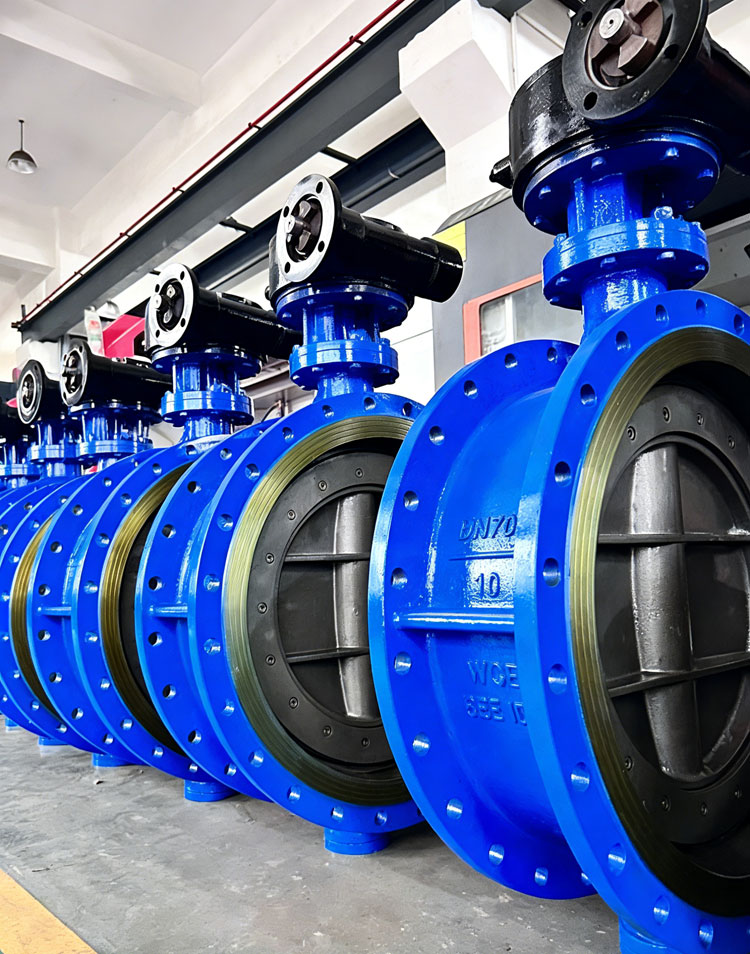
- Installing in compact spaces (pump rooms, underground vaults, water treatment plant skids) with limited footprint and structural load capacity— the most common scenario for butterfly valve selection.
- Needing moderate throttling for flow/pressure adjustment in water distribution networks (e.g., residential/commercial district supply branches, water treatment plant process lines).
- Prioritizing fast emergency operation to isolate pipeline bursts, pressure surges or fire-affected areas, minimizing water loss and infrastructure damage.
- Optimizing project costs for large-diameter secondary transmission lines (DN300-DN800) and municipal distribution networks (PN10-PN16) where ultra-low pressure loss is not a critical requirement.
- Retrofitting or expanding existing water supply systems where minimal pipeline modification, fast installation and low structural load are needed.
- Implementing automated control systems in water treatment plants or pump rooms, as butterfly valves have low actuation torque and are easily integrated with pneumatic/electric actuators.
Large-diameter gate valves and butterfly valves are both indispensable in modern water supply systems, yet their roles and application scenarios are defined by distinct design strengths: gate valves are the gold standard for full-bore isolation, minimal pressure loss and pigging compatibility, making them irreplaceable for long-distance high-flow transmission, critical isolation points and high-pressure water supply systems. Butterfly valves, by contrast, offer unrivaled compactness, cost efficiency, rapid operation and moderate throttling capability, positioning them as the preferred choice for compact installation zones, municipal distribution networks, emergency isolation and secondary transmission lines where budget and space optimization are priorities.
The key to successful valve selection is to align the valve’s characteristics with the specific needs of the water supply system link— not just pipe diameter and pressure class, but also installation space, operational goals (isolation vs. regulation), maintenance requirements, emergency response needs and lifecycle costs. A one-size-fits-all approach is never viable; instead, a combination of gate and butterfly valves is typically used in large-scale water supply systems, with each valve type deployed in its optimal application scenario to create a highly efficient, reliable and cost-effective fluid control network.
For large-scale water infrastructure projects, partnering with a reputable valve manufacturer that offers both gate and butterfly valve solutions— engineered to international standards (ISO 7714, AWWA, EN 593) and tailored to water supply system demands— is critical for achieving seamless integration, consistent performance and long-term operational stability across all infrastructure links.
A1: Large-diameter gate valves provide full-bore on/off isolation with minimal pressure loss, making them ideal for long-distance water transmission trunk mains and critical sectional isolation in municipal networks. They also support pipeline pigging for maintenance and offer bidirectional drop-tight sealing for flexible network operation.
A2: Yes, modern double/triple-eccentric large-diameter butterfly valves support moderate throttling (0-80% flow adjustment) for flow and pressure regulation, a key advantage over gate valves (which cannot be used for throttling due to severe wear and vibration in partial opening).
A3: Butterfly valves offer a 30-50% cost reduction for DN≥300 pipelines, with lower manufacturing, transportation and installation costs due to their compact, lightweight design. They are the most cost-effective choice for secondary transmission lines and municipal distribution networks.
A4: Gate valves have negligible pressure loss when fully open (full-bore flow path with no obstructions), while butterfly valves have minor pressure loss due to the circular disc remaining in the flow path even when fully open—making gate valves far better for energy-efficient long-distance water transmission.
A5: Butterfly valves are the top choice for pipeline burst, pressure surge and fire emergency isolation scenarios, as their quarter-turn mechanism enables fast opening/closing (3-5 seconds) compared to gate valves, which require multiple stem rotations and take several minutes to actuate—minimizing water loss and infrastructure damage.
A6: Gate valves are used for critical isolation points (e.g., clear water tank outlets, plant boundaries) in water treatment plants for tight sealing and high-pressure resistance, while butterfly valves dominate in compact process zones (e.g., pump rooms, filter lines) for their space-saving design, low actuation torque and moderate throttling for process flow regulation.
Tags: Large-diameter gate valve water supply function Butterfly valve vs gate valve water supply system large-diameter butterfly valve water distribution water infrastructure valve selection guide gate/butterfly valve application scenarios water supply
Various Models for Your Choice

Have be any question? Feel free to Contact.



WEIZIDOM Group is specializes in the manufacturing, sale and after-sale service of valves, pipe fittings, water meters, flow meters and other pipeline accessories.
Copyright © 2026.WEIZIDOM All rights reserved.