Language


More Language
Language If you are planning a water treatment project,slurry handling system,or municipal pipeline,you may find yourself asking:“Should I use a large diameters knife gate valve or a large sizes gate valve?”
When it comes to industrial flow control, selecting the right type of valve is crucial. Two of the most commonly compared valves are the knife gate valve and the gate valve. Both are used for on-off applications, but their design, performance, and applications are quite different. If you are planning a water treatment project, slurry handling system, or municipal pipeline, you may find yourself asking: “Should I use a knife gate valve or a gate valve?” This buyer’s guide will walk you through the differences, advantages, disadvantages, applications, cost factors, and key selection criteria so you can make the right choice for your project. What is a Gate Valve? A gate valve is one of the most traditional shut-off valves, designed to stop or allow fluid flow by lifting or lowering a gate. Key Features of Gate Valves Full-bore design: Minimal pressure drop when fully open. Tight sealing: Excellent shut-off capability, often with zero leakage. Bidirectional use: Can be installed in both flow directions. Wide range of sizes: Commonly available from small to very large diameters. Typical Applications ✅ Municipal water supply pipelines ✅ Industrial water distribution ✅ Oil and gas networks ✅ Fire protection systems 👉 Gate valves are ideal for clean fluids such as water, oil, or gas, where tight shut-off and long-term reliability are required. What is a Knife Gate Valve? A knife gate valve is designed for handling fluids with high solid content. It uses a sharp-edged blade to cut through slurry, viscous liquids, or semi-solid media. Key Features of Knife Gate Valves Knife-like blade: Cuts through sludge, slurry, pulp, or wastewater. Unidirectional design: Usually allows flow in one direction. Compact body: Requires less installation space compared to gate valves. Low-pressure operation: Typically used in low to medium pressure applications. Typical Applications ✅ Mining and mineral processing ✅ Pulp and paper industry ✅ Wastewater treatment plants ✅ Food processing industries ✅ Slurry pipelines 👉 Knife gate valves are perfect for slurries, viscous fluids, and abrasive media, where conventional gate valves may fail. Knife Gate Valve vs Gate Valve: Key Differences Feature Gate Valve Knife Gate Valve Design Rising/Non-rising stem with wedge gate Sharp blade that cuts through solids Best For Clean fluids (water, oil, gas) Slurry, sludge, wastewater, pulp Pressure Handling High-pressure systems Low to medium pressure systems Sealing Excellent, zero leakage possible Moderate, may allow small leakage Flow Direction Bidirectional Usually unidirectional Maintenance Easy for clean fluids Requires regular cleaning for solids Installation Space Larger footprint More compact and lightweight Cost Higher for large diameters More cost-effective in large sizes Advantages of Gate Valves ✨ Excellent sealing performance ✨ Suitable for high pressure and high temperature ✨ Wide range of material options (cast iron, ductile iron, stainless steel, carbon steel) ✨ Long service life in clean fluid applications Advantages of Knife Gate Valves ✨ Handles slurries and solids effectively ✨ Lower cost in large diameters ✨ Compact and easy to install ✨ Simple design, quick operation Cost Considerations Gate valves: More expensive in large sizes due to heavier body and thicker walls. Knife gate valves: Generally cheaper for larger diameters and easier to maintain in slurry services. However, the wrong valve selection can lead to higher maintenance costs and downtime, which outweighs initial savings. How to Choose the Right Valve? ✅ Identify Your Fluid Clean water, oil, gas → Gate Valve Slurry, pulp, wastewater → Knife Gate Valve ✅ Check the Pressure and Temperature High-pressure, high-temperature → Gate Valve Low-pressure, ambient temperature → Knife Gate Valve ✅ Consider Installation Space Limited space → Knife Gate Valve No space constraints → Gate Valve ✅ Budget and Lifecycle Cost Initial cost vs long-term maintenance Gate valves last longer in clean fluids Knife gate valves save money in slurry handling Which Valve is Best for You? The decision between a knife gate valve and a gate valve depends entirely on your fluid type, pressure requirements, installation space, and budget. If you need tight shut-off in clean water or oil systems, choose a gate valve. If you are working with slurry, wastewater, or pulp, a knife gate valve will perform better and save maintenance costs. At WEIZIDOM, we manufacture and supply a wide range of gate valves and knife gate valves, with materials including ductile iron, carbon steel, and stainless steel, suitable for different industries worldwide.
When it comes to industrial flow control, selecting the right type of valve is crucial. Two of the most commonly compared valves are the large diameters knife gate valve and the large sizes gate valve. Both are used for on-off applications, but their design, performance, and applications are quite different.
If you are planning a water treatment project, slurry handling system, or municipal pipeline, you may find yourself asking: “Should I use a large diameters knife gate valve or a large sizes gate valve?”
This buyer’s guide will walk you through the differences, advantages, disadvantages, applications, cost factors, and key selection criteria so you can make the right choice for your project.
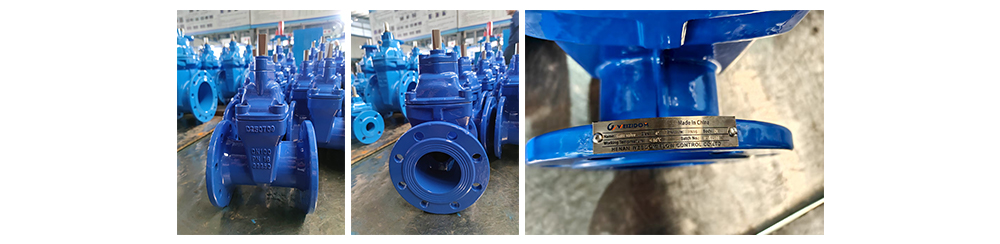
A large sizes gate valve is one of the most traditional shut-off valves, designed to stop or allow fluid flow by lifting or lowering a gate.
Full-bore design: Minimal pressure drop when fully open.
Tight sealing: Excellent shut-off capability, often with zero leakage.
Bidirectional use: Can be installed in both flow directions.
Wide range of sizes: Commonly available from small to very large diameters.
✅ Municipal water supply pipelines
✅ Industrial water distribution
✅ Oil and gas networks
✅ Fire protection systems
👉 Large Sizes Gate valves are ideal for clean fluids such as water, oil, or gas, where tight shut-off and long-term reliability are required.

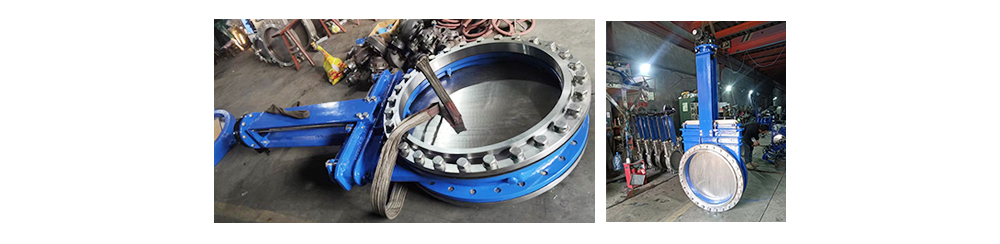
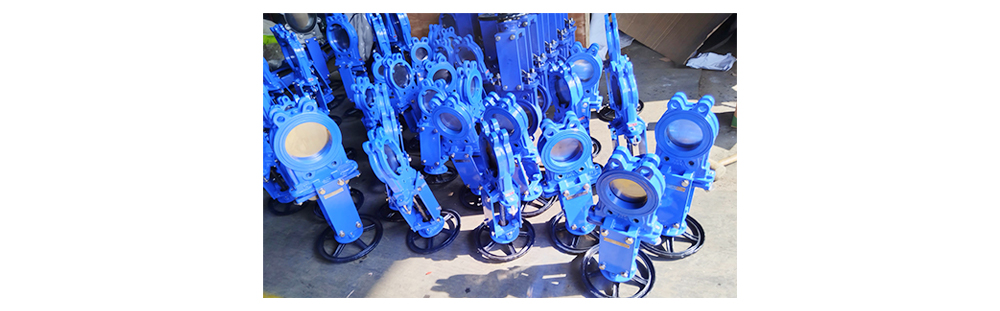
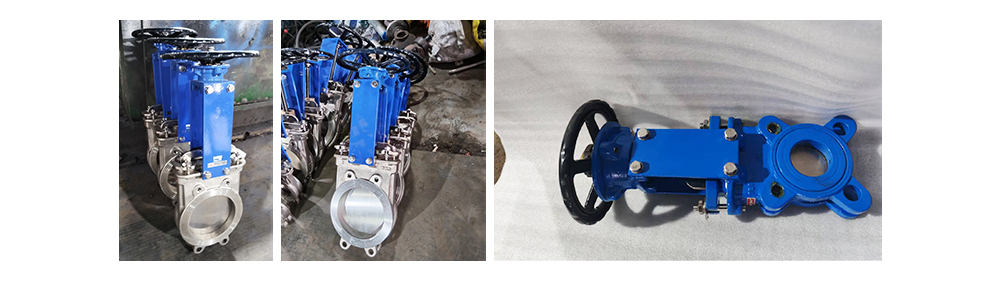
A large diameters knife gate valve is designed for handling fluids with high solid content. It uses a sharp-edged blade to cut through slurry, viscous liquids, or semi-solid media.
Knife-like blade: Cuts through sludge, slurry, pulp, or wastewater.
Unidirectional design: Usually allows flow in one direction.
Compact body: Requires less installation space compared to large sizes gate valves.
Low-pressure operation: Typically used in low to medium pressure applications.
✅ Mining and mineral processing
✅ Pulp and paper industry
✅ Wastewater treatment plants
✅ Food processing industries
✅ Slurry pipelines
👉 Large diameters knife gate valves are perfect for slurries, viscous fluids, and abrasive media, where conventional large sizes gate valves may fail.
| Feature | Large Sizes Gate Valve | Large Diameters Knife Gate Valve |
| Design | Rising/Non-rising stem with wedge gate | Sharp blade that cuts through solids |
| Best For | Clean fluids (water, oil, gas) | Slurry, sludge, wastewater, pulp |
| Pressure Handling | High-pressure systems | Low to medium pressure systems |
| Sealing | Excellent, zero leakage possible | Moderate, may allow small leakage |
| Flow Direction | Bidirectional | Usually unidirectional |
| Maintenance | Easy for clean fluids | Requires regular cleaning for solids |
| Installation Space | Larger footprint | More compact and lightweight |
| Cost | Higher for large diameters | More cost-effective in large sizes |
✨ Excellent sealing performance
✨ Suitable for high pressure and high temperature
✨ Wide range of material options (cast iron, ductile iron, stainless steel, carbon steel)
✨ Long service life in clean fluid applications
✨ Handles slurries and solids effectively
✨ Lower cost in large diameters
✨ Compact and easy to install
✨ Simple design, quick operation
Large Sizes Gate valves: More expensive in large sizes due to heavier body and thicker walls.
Large Diameters Knife gate valves: Generally cheaper for larger diameters and easier to maintain in slurry services.
However, the wrong valve selection can lead to higher maintenance costs and downtime, which outweighs initial savings.
Clean water, oil, gas → Large Sizes Gate Valve
Slurry, pulp, wastewater → Large Diameters Knife Gate Valve
High-pressure, high-temperature → Large Sizes Gate Valve
Low-pressure, ambient temperature → Large Diameters Knife Gate Valve
Limited space → Large Diameters Knife Gate Valve
No space constraints → Large Sizes Gate Valve
Initial cost vs long-term maintenance
Large Sizes Gate valves last longer in clean fluids
Large Diameters Knife gate valves save money in slurry handling
The decision between a large diameters knife gate valve and a large sizes gate valve depends entirely on your fluid type, pressure requirements, installation space, and budget.
If you need tight shut-off in clean water or oil systems, choose a large sizes gate valve.
If you are working with slurry, wastewater, or pulp, a large diameters knife gate valve will perform better and save maintenance costs.
At WEIZIDOM, we manufacture and supply a wide range of large sizes gate valves and large diameters knife gate valves, with materials including ductile iron, carbon steel, and stainless steel, suitable for different industries worldwide.
Tags:
Various Models for Your Choice

Have be any question? Feel free to Contact.



WEIZIDOM Group is specializes in the manufacturing, sale and after-sale service of valves, pipe fittings, water meters, flow meters and other pipeline accessories.
Copyright © 2026.WEIZIDOM All rights reserved.