Language


More Language
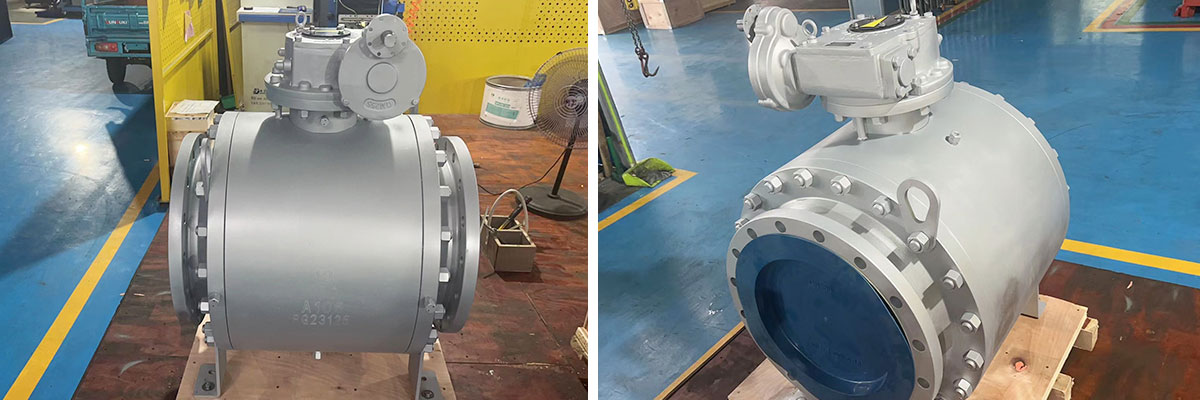
Language The trunnion ball valve in accordance with API 6D standard supplied by valve manufacturer WEIZIDOM has become the "safety heart" and "control hub" of the entire crude oil pipeline at the refinery in Bolivia.
In the onshore oil-producing areas of Bolivia, the operating conditions of high-pressure, high-sulfur, high-viscosity and large-flow crude oil transportation impose extremely stringent requirements on the reliability, sealing performance and safety of core equipment in refineries. The local main refinery undertakes the key tasks of crude oil purification, pressurization and long-distance pipeline transportation. The equipment operates continuously for a long time in high-temperature, high-pressure and highly corrosive environments. Once problems such as improper installation, seal failure or action jamming occur to the valves, it is very easy to trigger major safety accidents such as medium leakage, unplanned shutdown, fire and explosion.
The project finally selected API 6D standard trunnion ball valves provided by WEIZIDOM, a valve manufacturer, as the core control valves, together with LCB check valves to build a safety control system for high-pressure crude oil transportation. Relying on stable structure, reliable sealing, convenient maintenance and scientific installation, it has become the "safety heart" and "control center" of the entire crude oil pipeline.
Product Adaptability and On-site Application Effect
The trunnion ball valves used in this project are made of A105/F304 corrosion-resistant alloy, with pressure class 150–600 and diameter NPS 2–12. They comply with API 6D standard and API 607 fire protection requirements, featuring full bore, blowout-proof valve stem, fireproof sealing, valve cavity pressure relief and low-torque operation, which are perfectly suitable for the high-pressure crude oil transportation system of the refinery.
Since commissioning, the system has achieved:
✔ Long-term zero leakage under high-pressure working conditions.
✔ Stable opening and closing, rapid response, meeting emergency shutdown requirements.
✔ Standardized installation, easy maintenance and extremely low failure rate.
✔ Greatly improved equipment service life, significantly reducing the plant's operation and maintenance costs and safety risks.
Core Working Principle of Trunnion Ball Valve
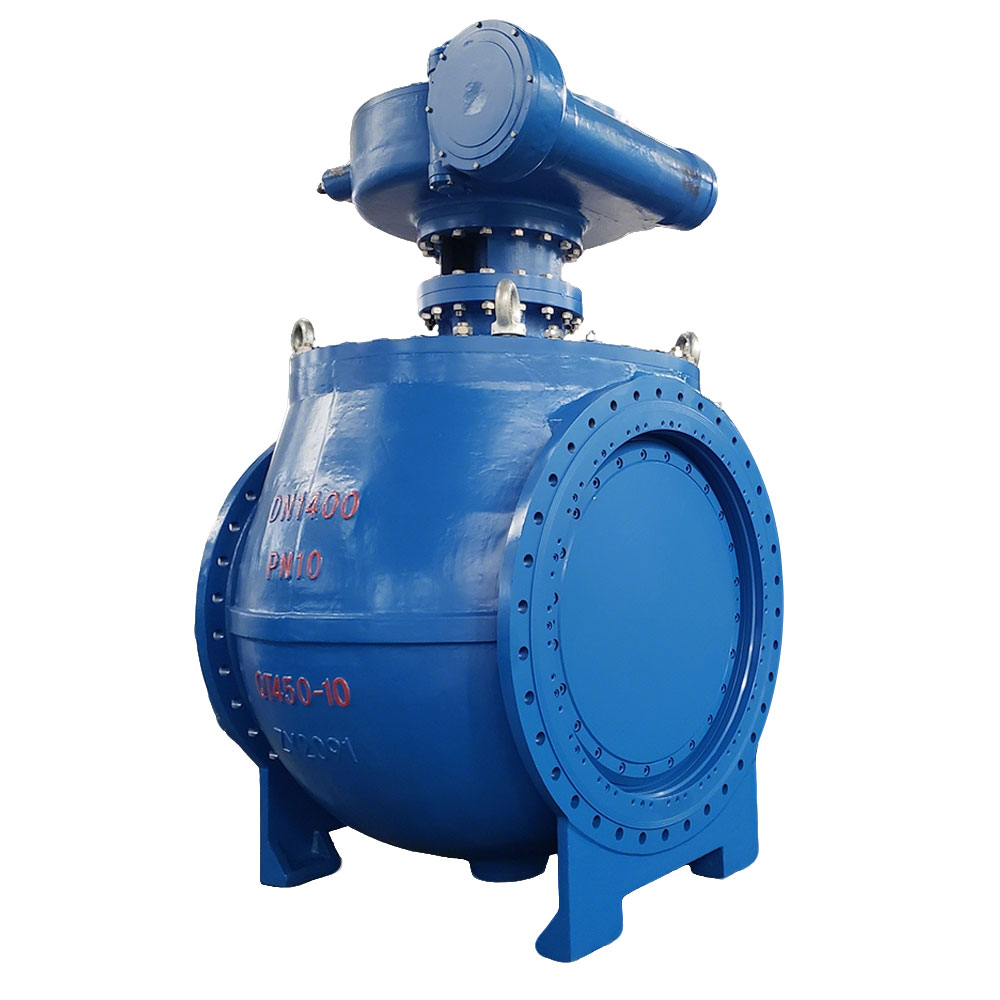
The trunnion ball valve adopts a fixed ball structure, and the upper and lower ends of the ball are rigidly supported and positioned by trunnions, which will not shift due to medium pressure, ensuring long-term stable operation.
Opening and closing principle: The actuator drives the valve stem to rotate 90°, driving the ball to rotate to realize full opening or full closing of the valve.
Self-tightening sealing principle: Medium pressure pushes the valve seat to fit the ball. The higher the pressure, the tighter the seal, achieving zero leakage under high pressure.
Stable pressure bearing: The trunnion support bears uniform force, with small opening and closing torque and stable action, suitable for frequent operation and emergency shutdown.
Automatic pressure relief of valve cavity: It can automatically discharge overpressure medium in the valve cavity caused by temperature rise, avoiding valve cavity pressure buildup and explosion, and improving intrinsic safety.
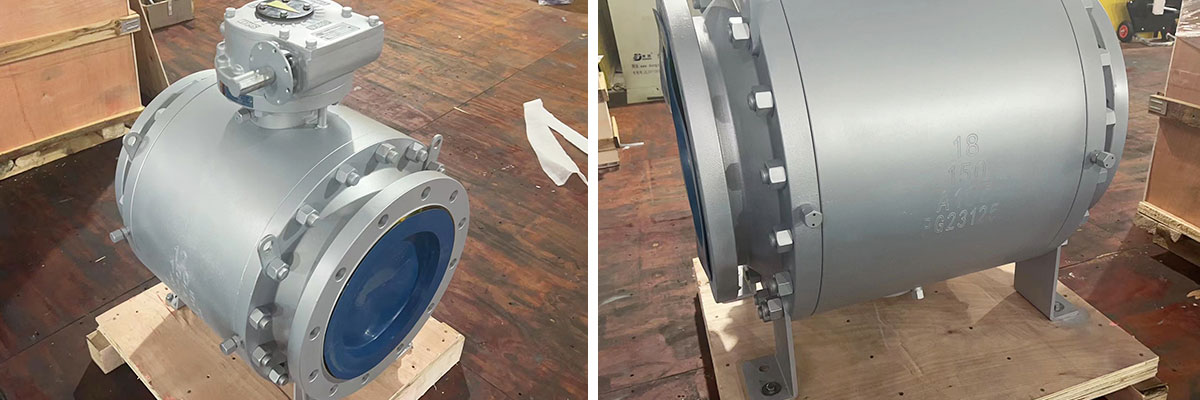
To ensure successful commissioning and long-term stable operation of valves under high-pressure and high-risk working conditions, a strict and standardized installation process shall be implemented for the project, with key precautions as follows:
Verify that the valve model, pressure rating, nominal diameter, material and flow direction indicator are consistent with the design requirements. Inspect the valve body, stem and actuator for any damage or corrosion. Clean impurities, welding slags and oil stains inside the valve body and at pipe ends to avoid damaging the sealing surfaces.
Install the valve strictly in accordance with the flow direction arrow marked on the valve body. The valve is preferably installed horizontally with the actuator positioned upward or sideways for ease of operation and maintenance. Reserve sufficient space for assembly and disassembly to prevent pipe extrusion or distortion.
Ensure natural alignment between the pipe and valve; forced connection is strictly prohibited. Keep flange sealing surfaces and gaskets clean. Tighten bolts uniformly in a diagonal sequence to prevent leakage caused by uneven stress.
Control the temperature during welding to avoid burning sealing components due to high temperature. Keep the valve fully open during welding to prevent sphere damage caused by thermal expansion and deformation.
Effective anti-static, lightning protection and grounding measures must be implemented for working conditions involving flammable and explosive media to eliminate potential safety hazards.
Ensure coaxial connection between the actuator and valve stem without jamming. Conduct open/close testing after installation to verify accurate and smooth operation.
Complete the strength test and seal test in accordance with relevant specifications. The valve can be put into service only after confirming no leakage.
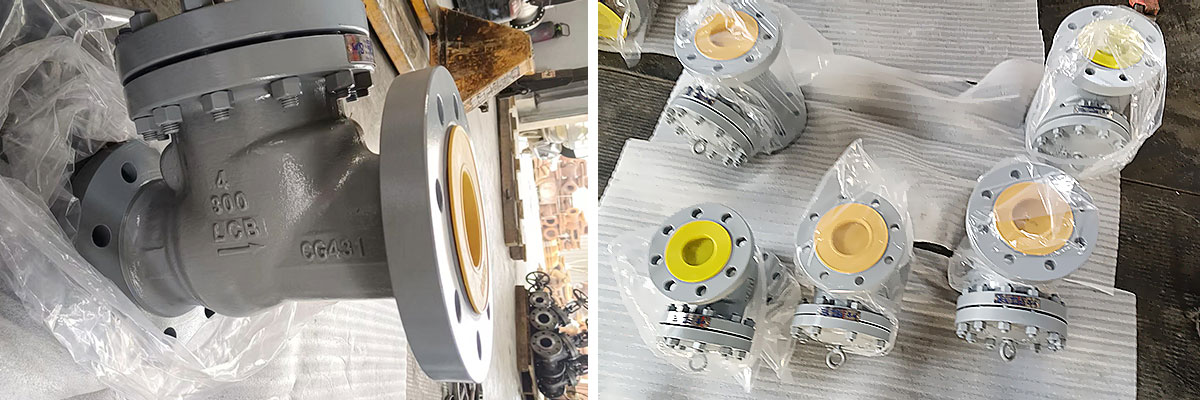
A full-life cycle maintenance system is established on-site to ensure long-period and highly reliable operation of valves:
Check the open/close position, leakage, vibration, noise and operating status of the actuator.
Apply special-purpose grease to trunnion supports, bearings and stem seals to reduce operating torque and wear.
Inspect valve seats and sealing rings for damage, aging or jamming, and remove impurities in a timely manner.
Check the tightness of packing, tighten or replace as required to prevent external leakage.
Valve Cavity Cleaning and Pressure Relief
Regularly drain accumulated liquid and impurities from the valve cavity to ensure normal operation of the automatic pressure relief function.
Regularly adjust and test limit switches, solenoid valves and positioners to ensure precise operation.
Inspect anti-corrosion coatings, thermal insulation and tracing heating systems to avoid low-temperature blockage or high-temperature coking.
Disassemble and inspect the valve according to the operation cycle, replace worn seals, bearings and shaft sleeves to restore valve performance.
Various Models for Your Choice

Have be any question? Feel free to Contact.



WEIZIDOM Group is specializes in the manufacturing, sale and after-sale service of valves, pipe fittings, water meters, flow meters and other pipeline accessories.
Copyright © 2026.WEIZIDOM All rights reserved.